The Faarhus camp and the post-war reckoning
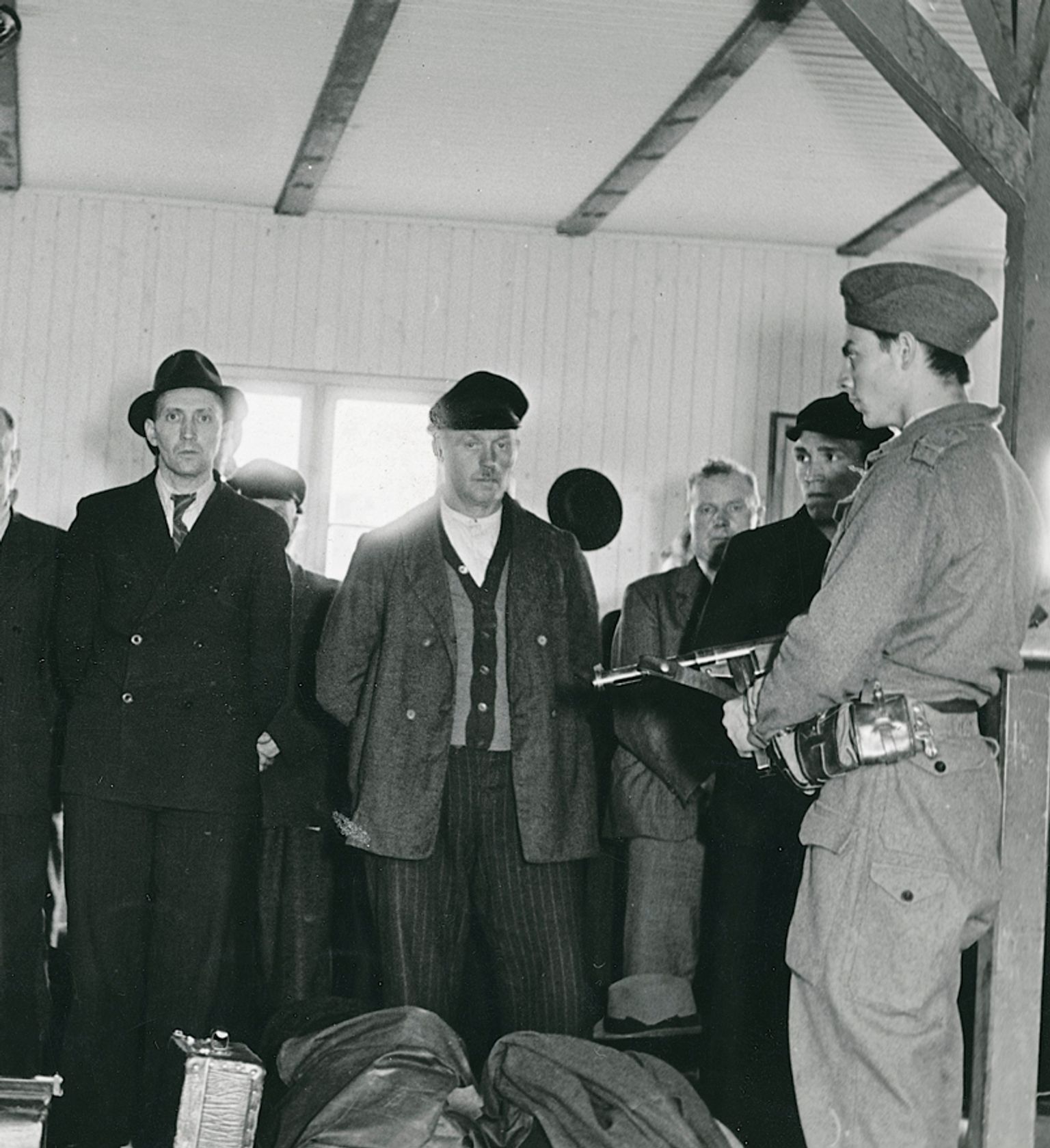
The Frøslev Camp - Barrack H6
On May 5, 1945, Denmark celebrated its liberation. But amid the joy, a showdown was brewing. The Frøslev camp became the Faarhus camp, and now Nazi-supporters and soldiers would feel the wraith of the public.
13,500 people were convicted during the trials that followed Denmark's liberation. It was a period filled with bitterness and a thirst for justice, and a time when emotions perhaps took over. Meet the convicted frontline volunteers who, depending on your point of view, were perceived as heroes, criminals, or victims.
1.
When history shifts perspective
For some of the prisoners, their actions were an act of treason against Denmark. For others, it was loyalty to their German roots or a fight against Bolshevism on the Eastern Front. And for some, it was perhaps just a choice made under pressure during wartime. See unique historical objects from Eastern Front volunteers and Danish Nazis that tell the story of people caught between two worlds, two loyalties, two truths.
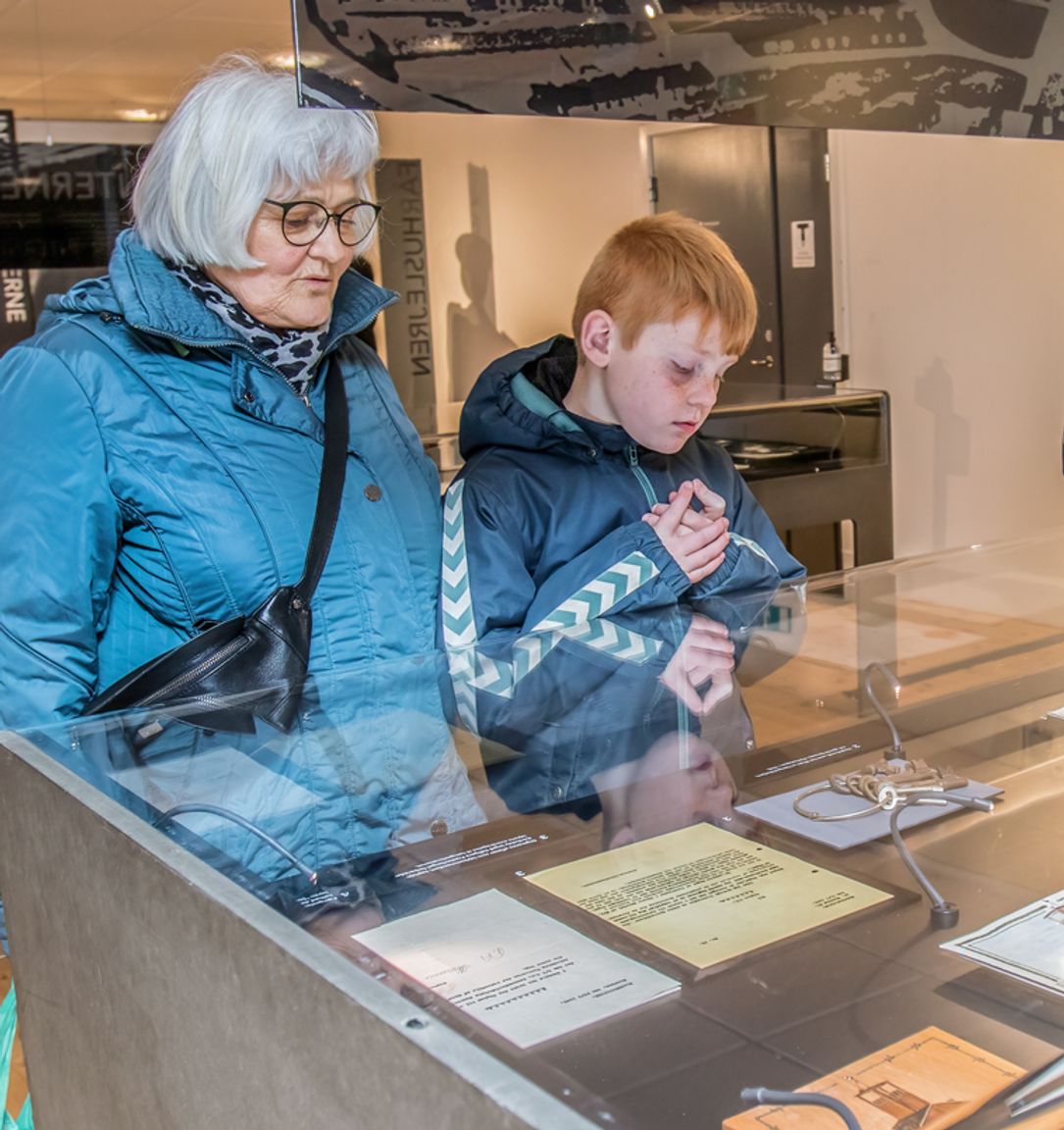
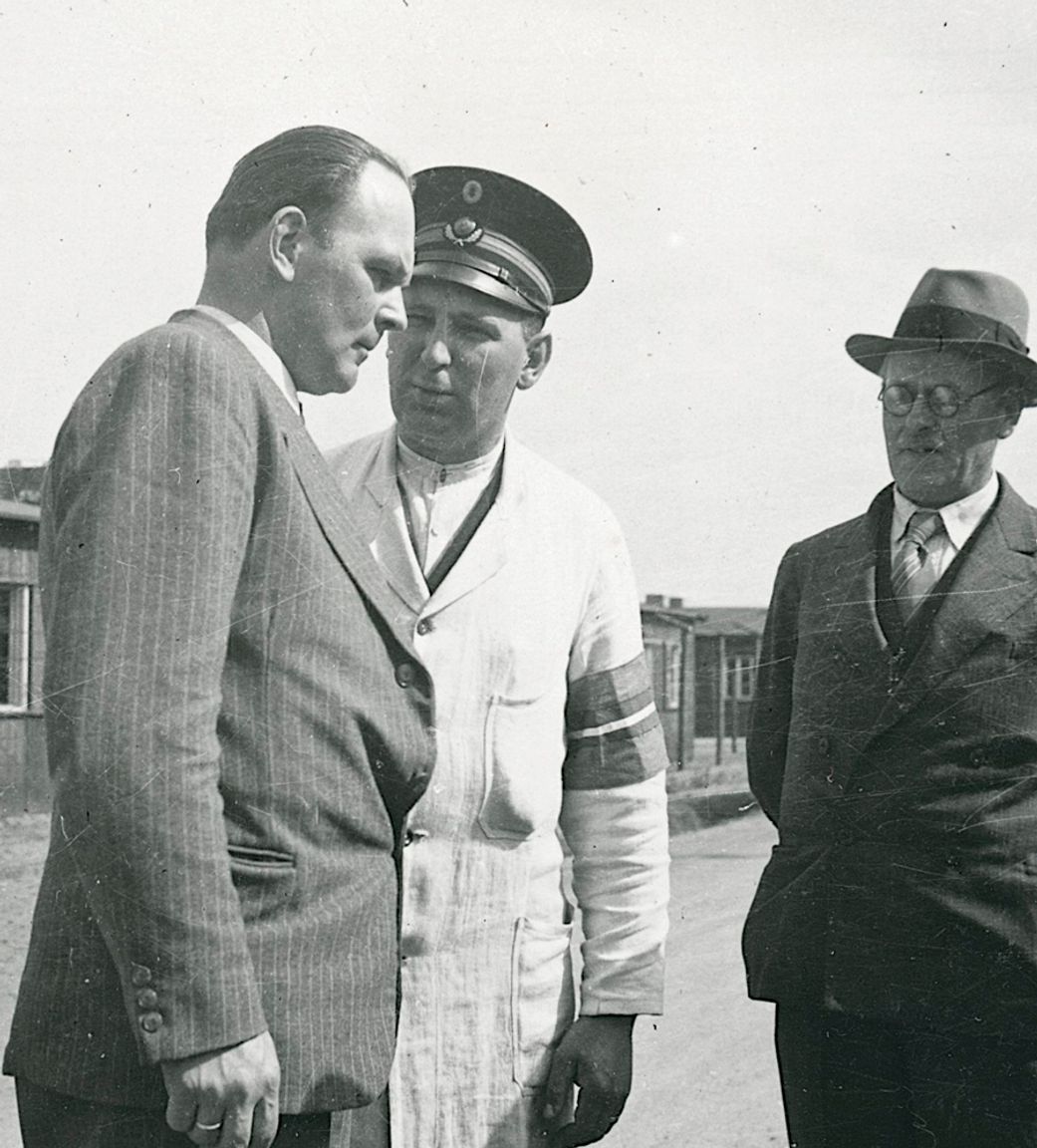
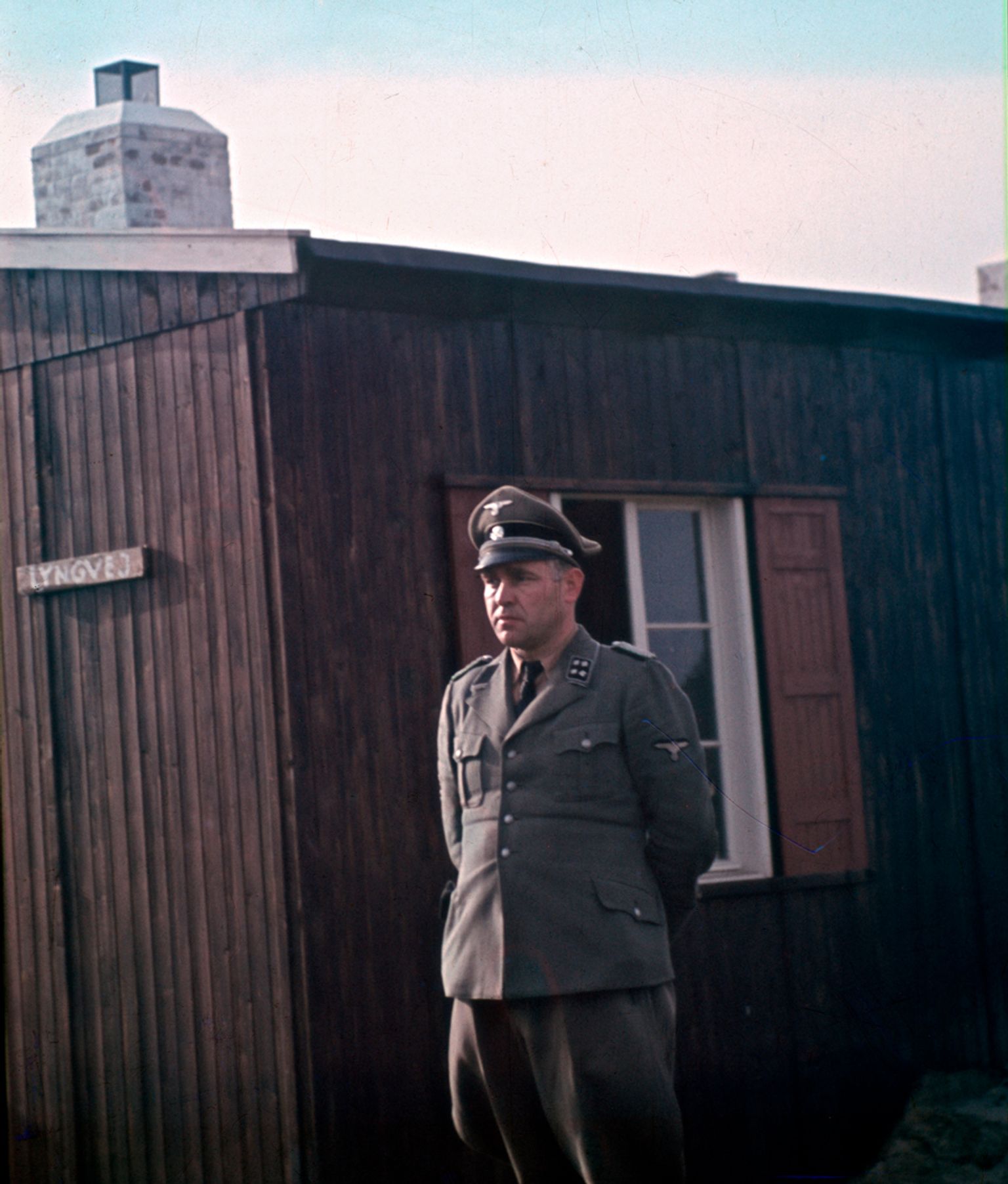
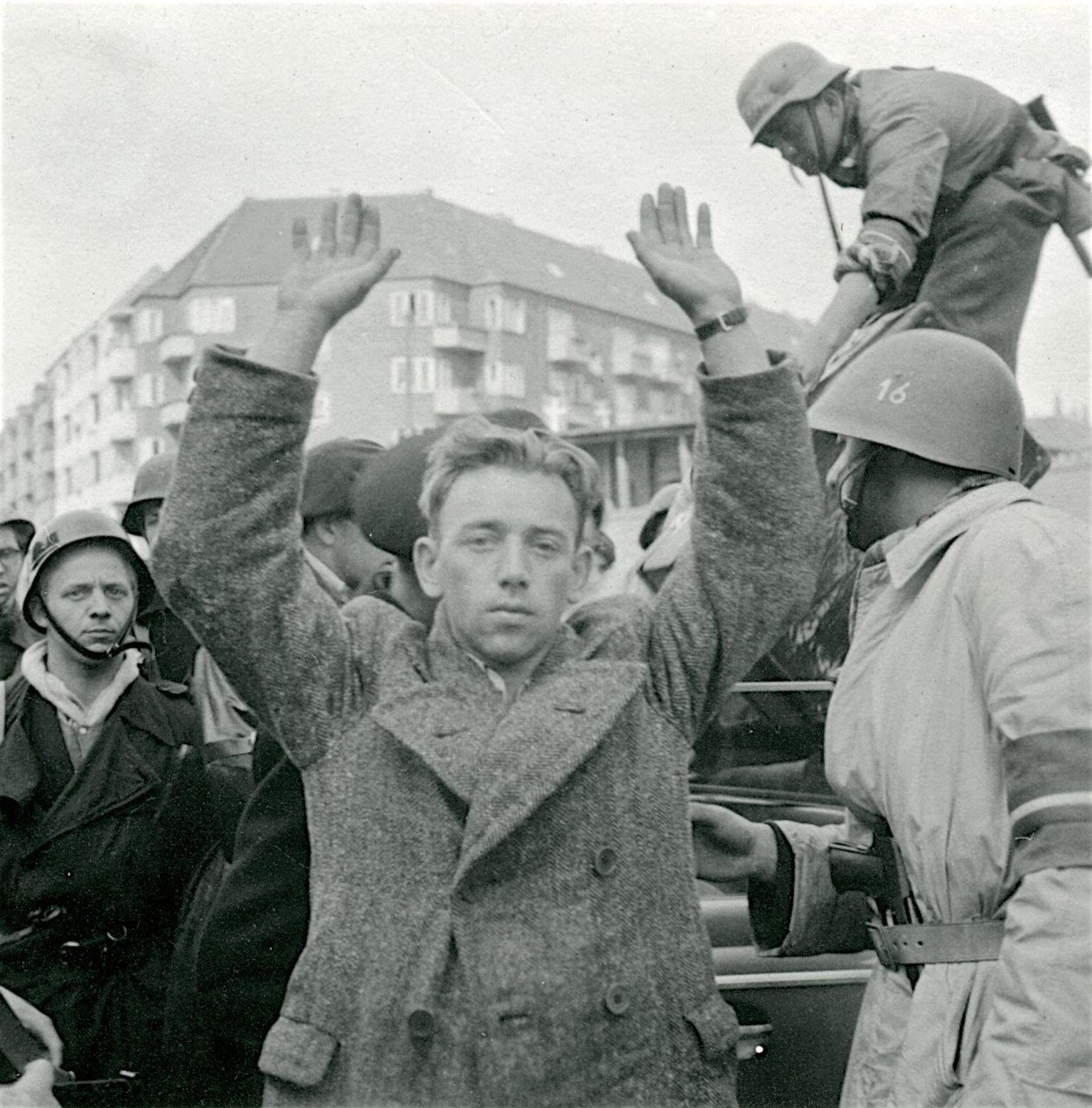
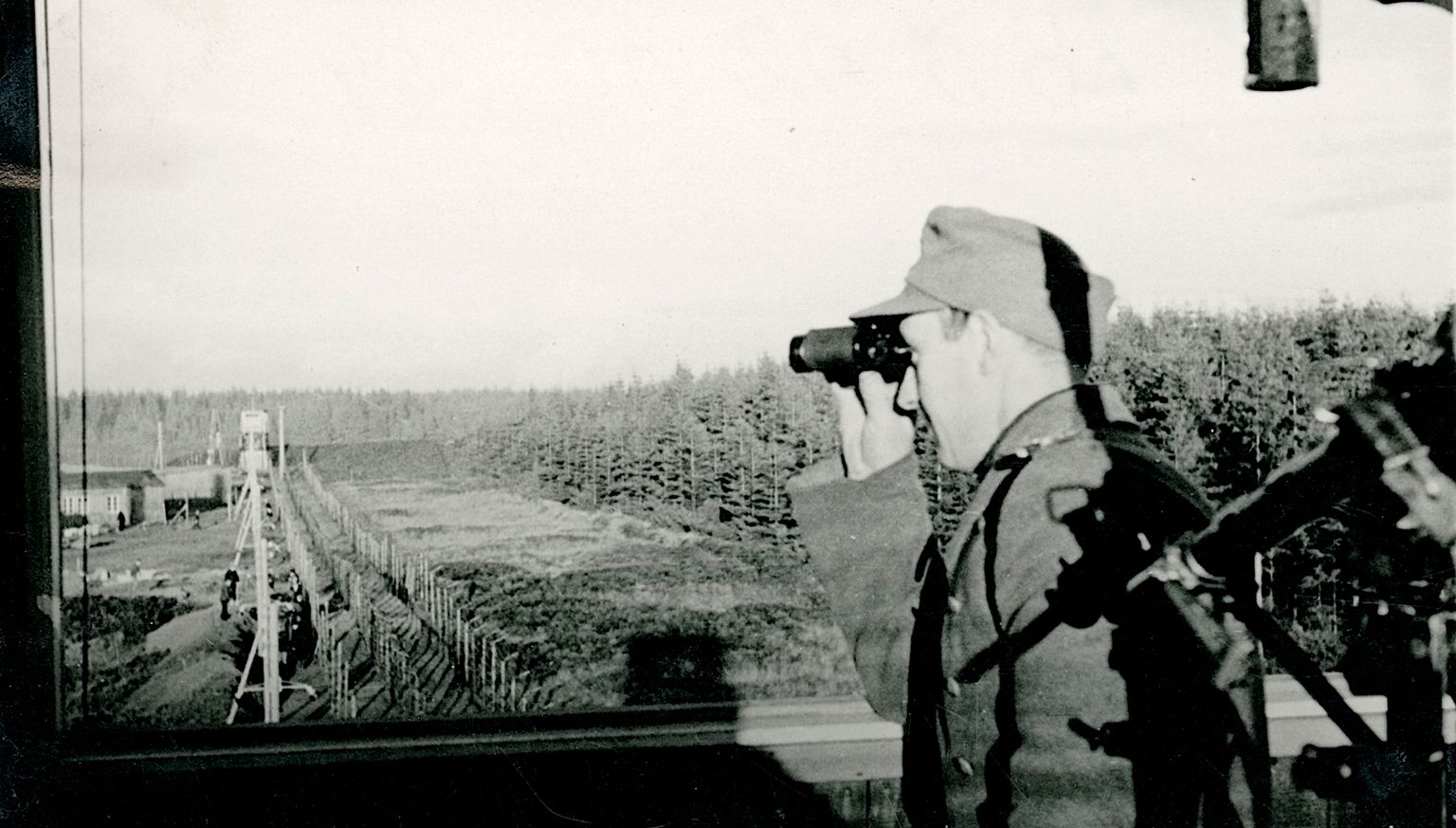
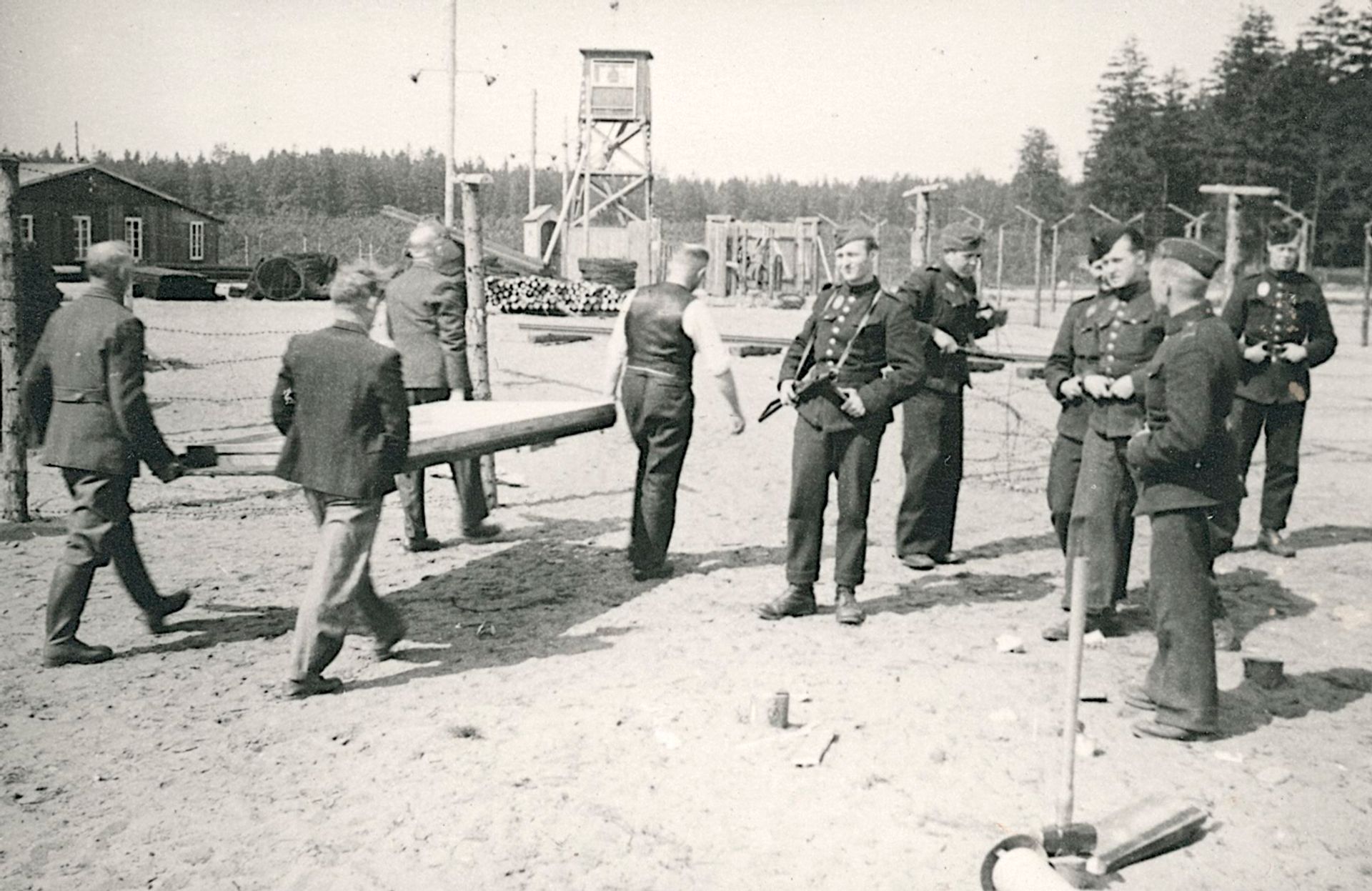
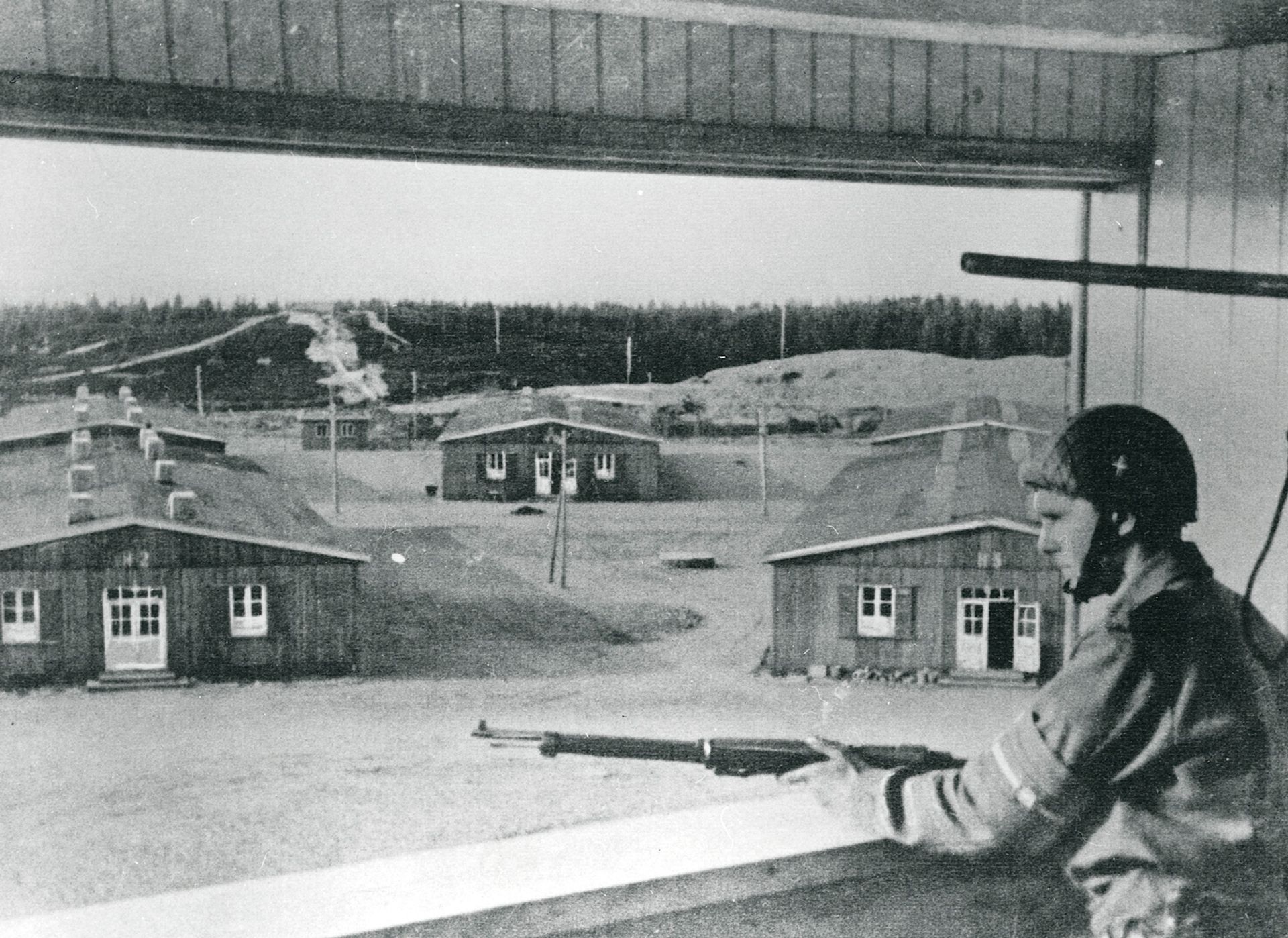
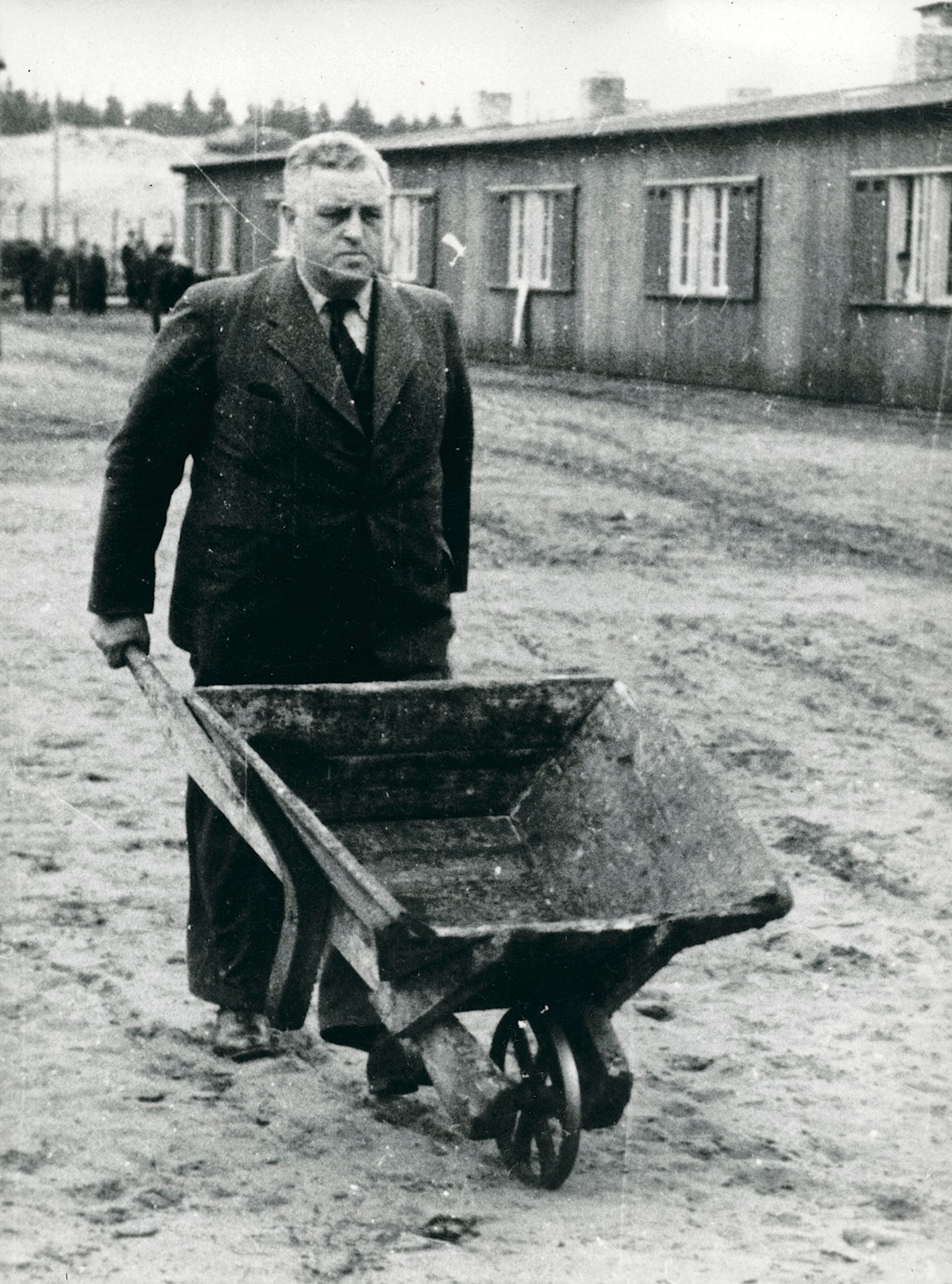
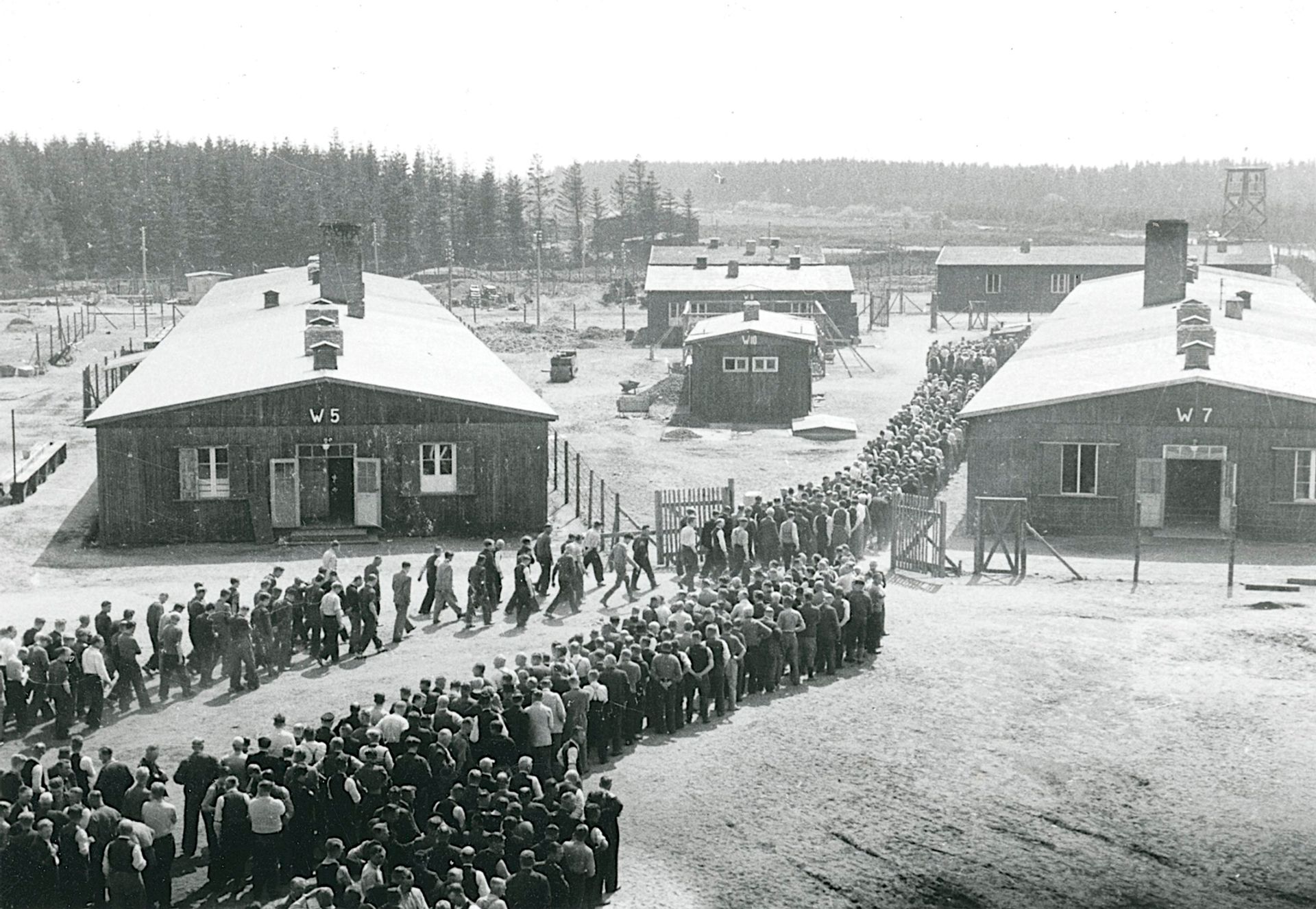
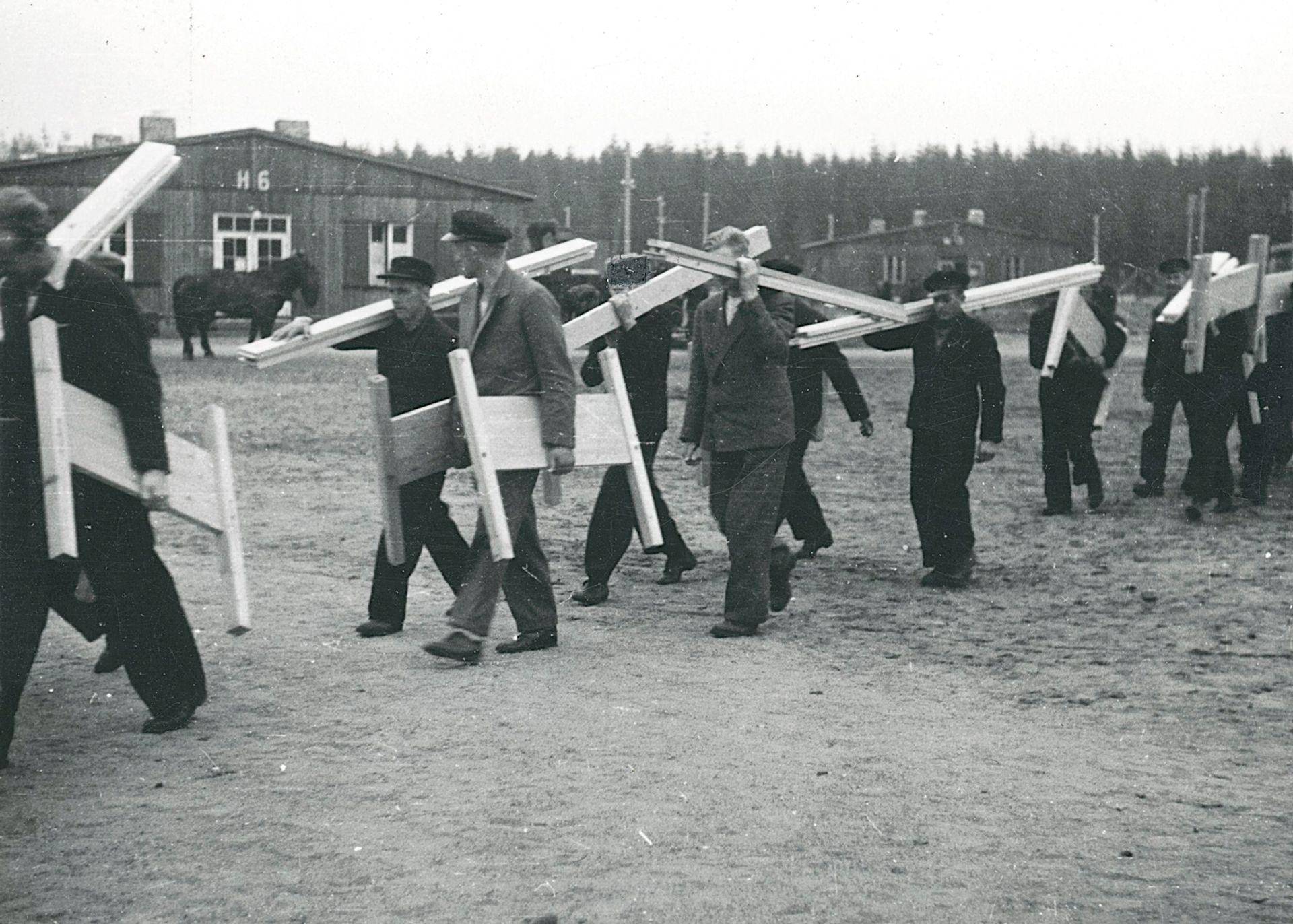
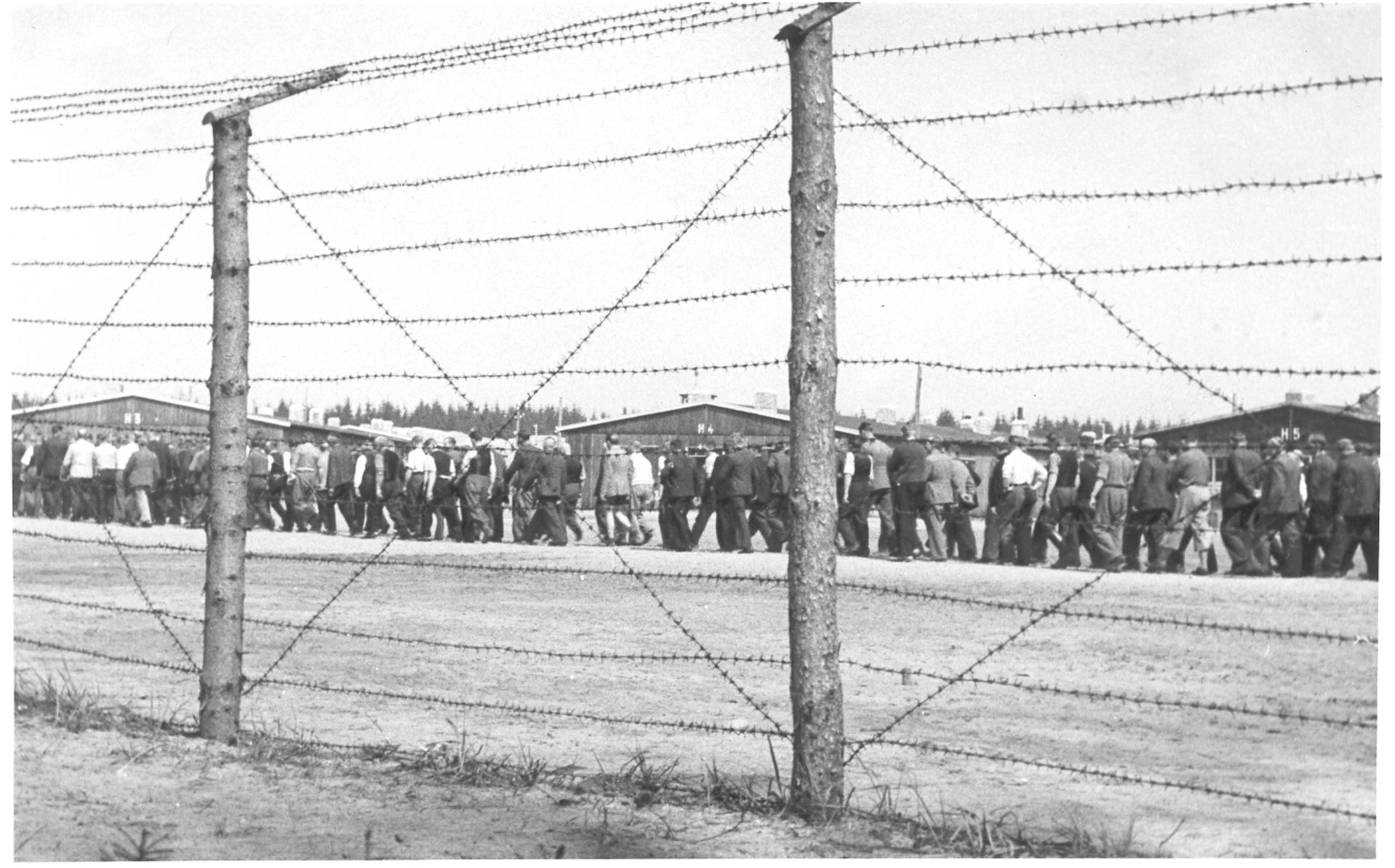
Photographs from Faarhus Prison Camp 1945-1949
3.
Justice or revenge?
Who were the traitors? And who were the victims? The answers depend on who you ask. Most of the prisoners in the Faarhus camp came from the German minority in Southern Jutland and were men who had fought for Germany during the war. To the Danish population, they were traitors who had betrayed their country. But to many in the German minority, the verdicts felt like an unjust settlement with an entire population group.