Gestapo's Danish prison camp
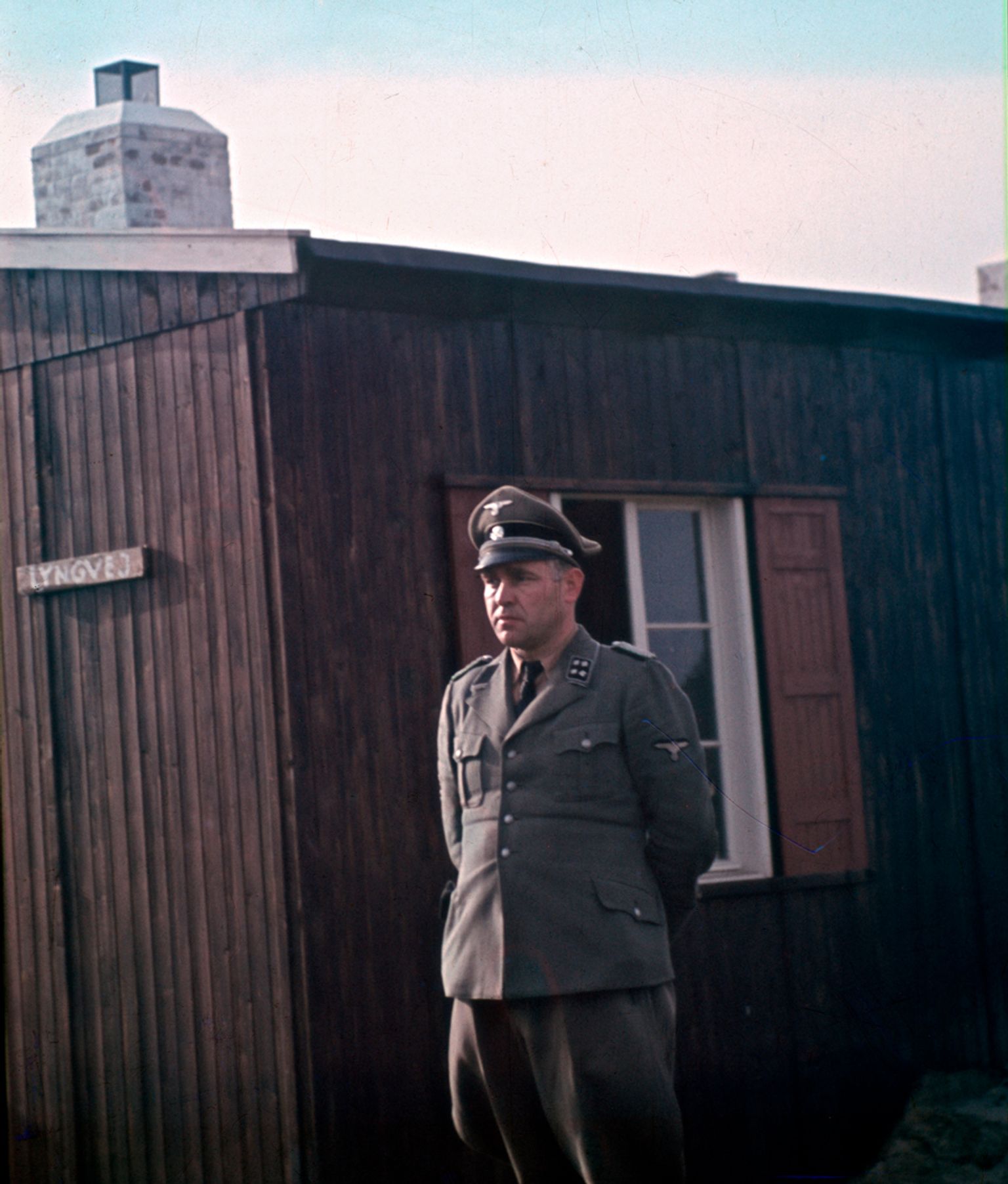
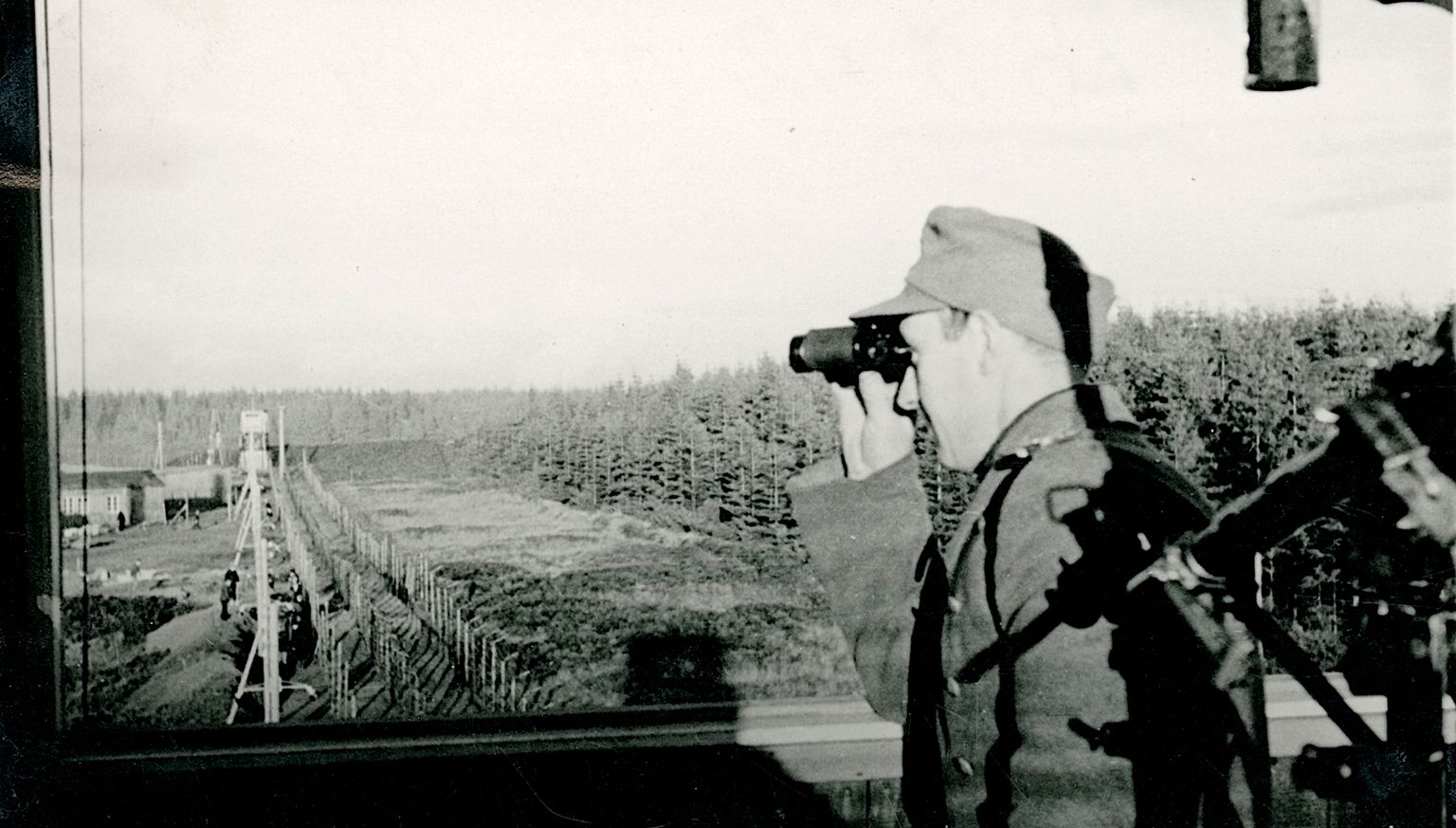
The Frøslev Camp - Barrack H4 and Main Guard Tower
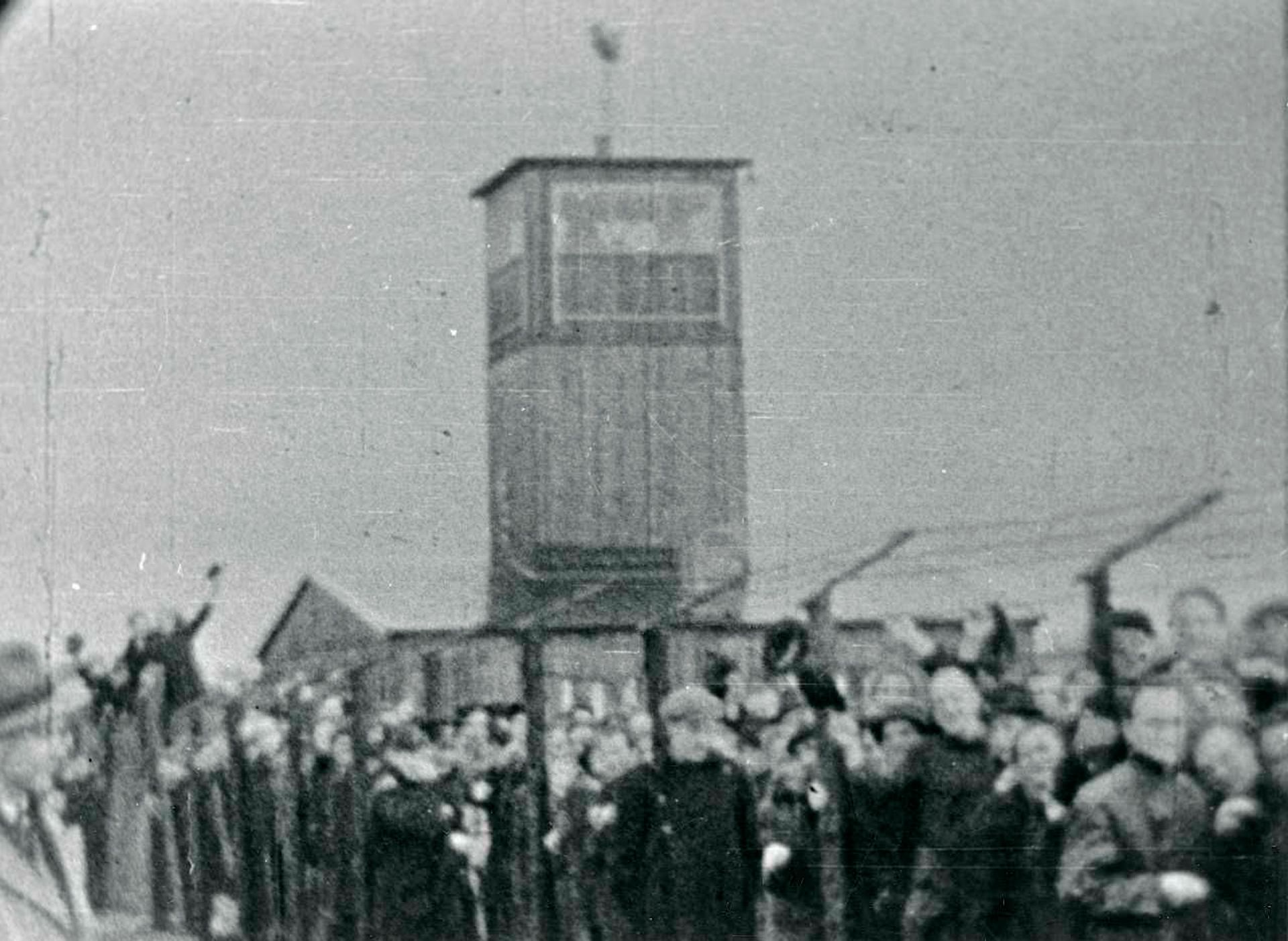
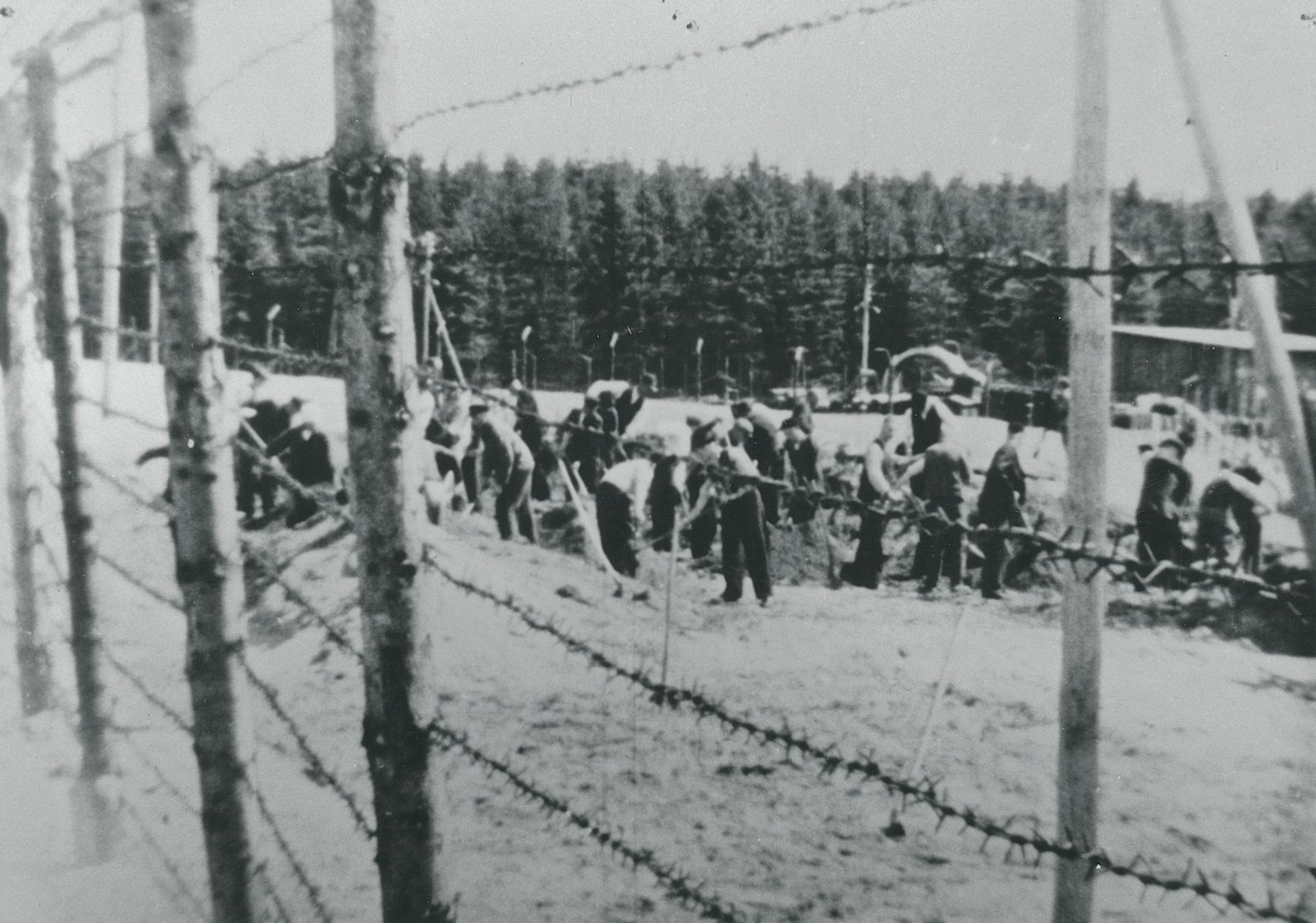
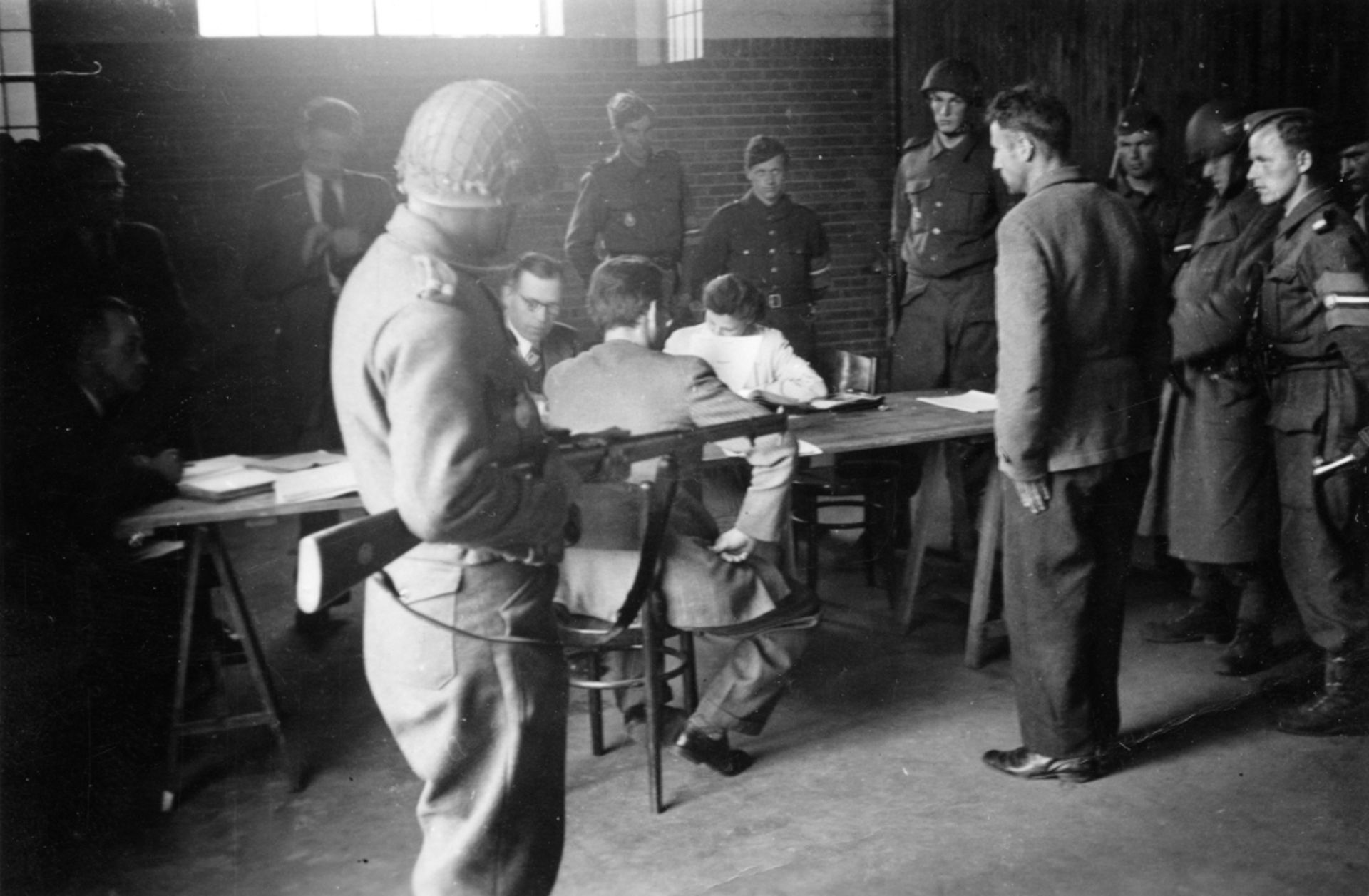
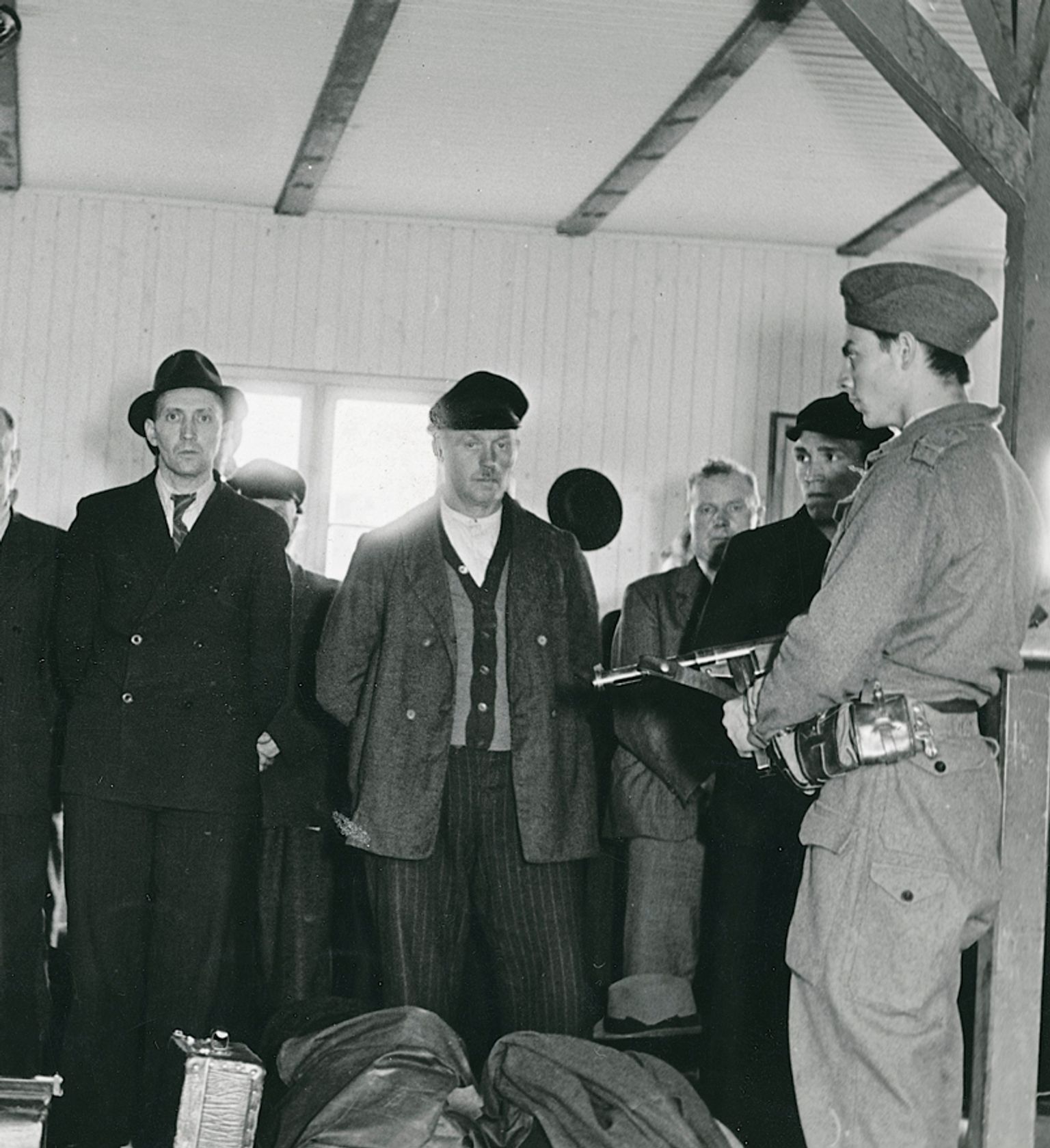
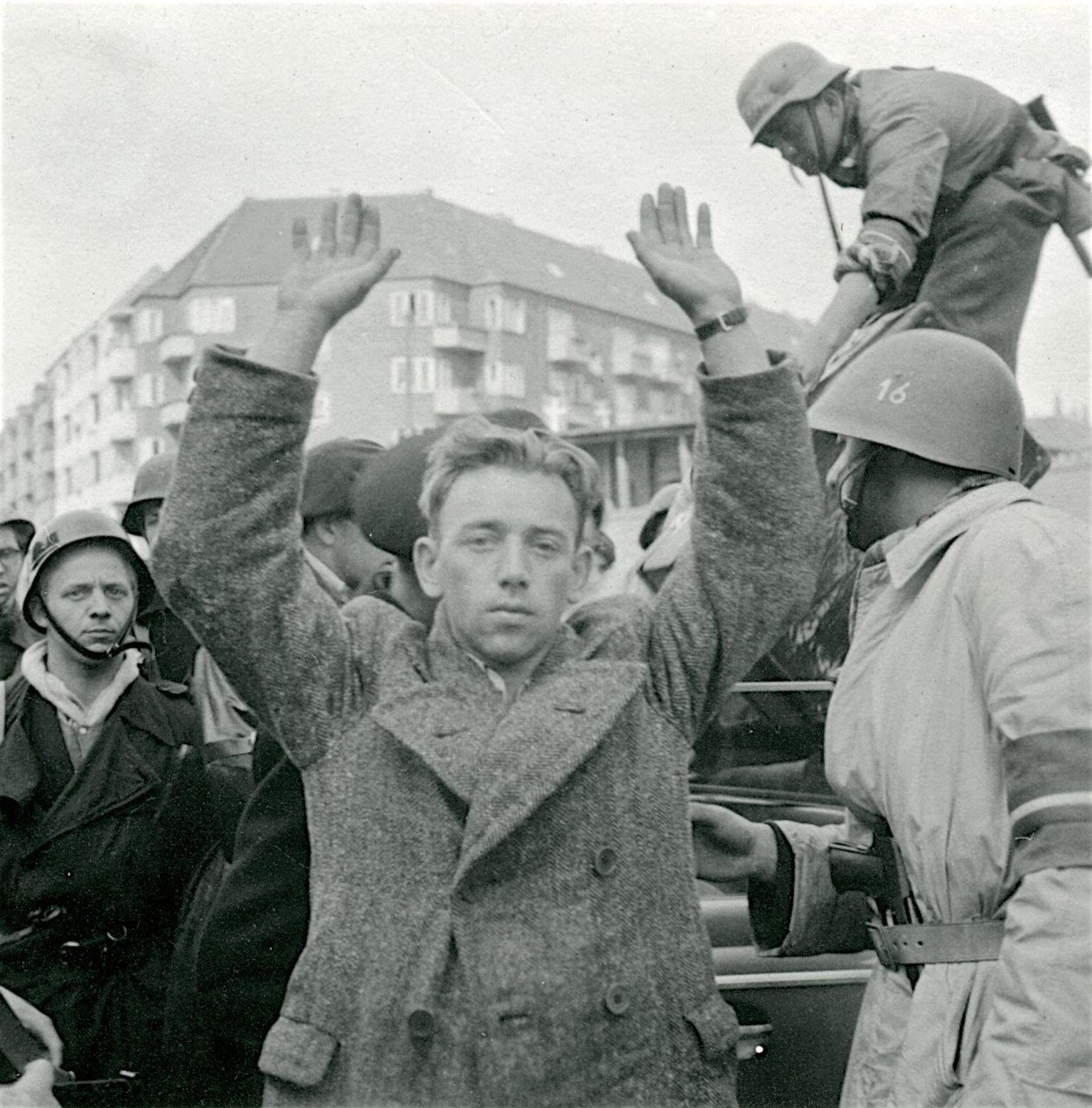
Behind barbed wire, prisoners lived in uncertainty. They were unwanted by the Nazis in Denmark. Some were allowed to stay here in the Frøslev camp, while for others it was the last stop before hell.
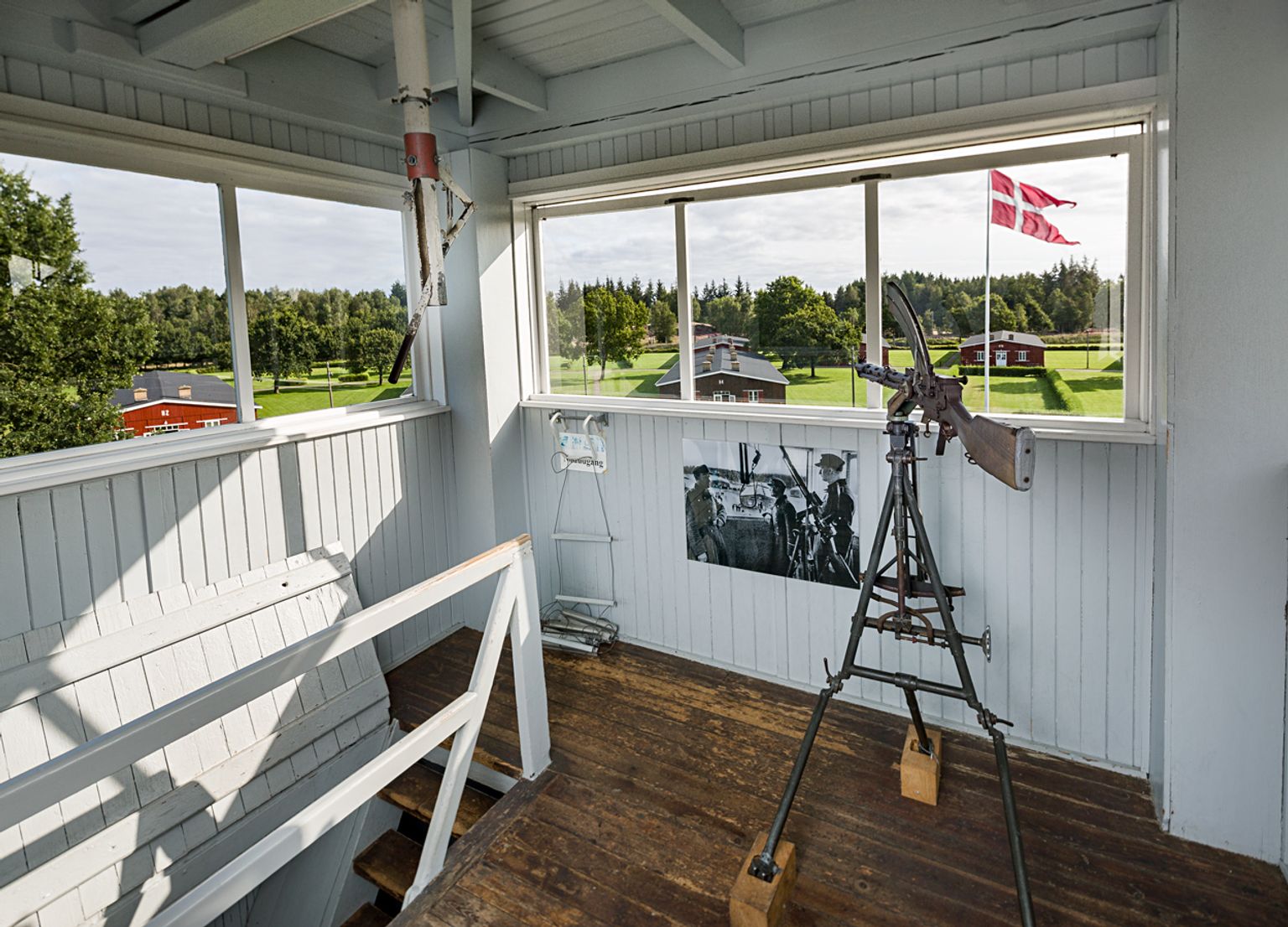
Come and experience the last seven months before Nazi Germany surrendered. A time when the Danish government entered into a grim compromise between the Danish police and the German occupying power. In the camp's main watchtower and the former prisoner barracks H4, you will gain insight into the world's strangest prison camp.
1.
Held captive in an unusual system
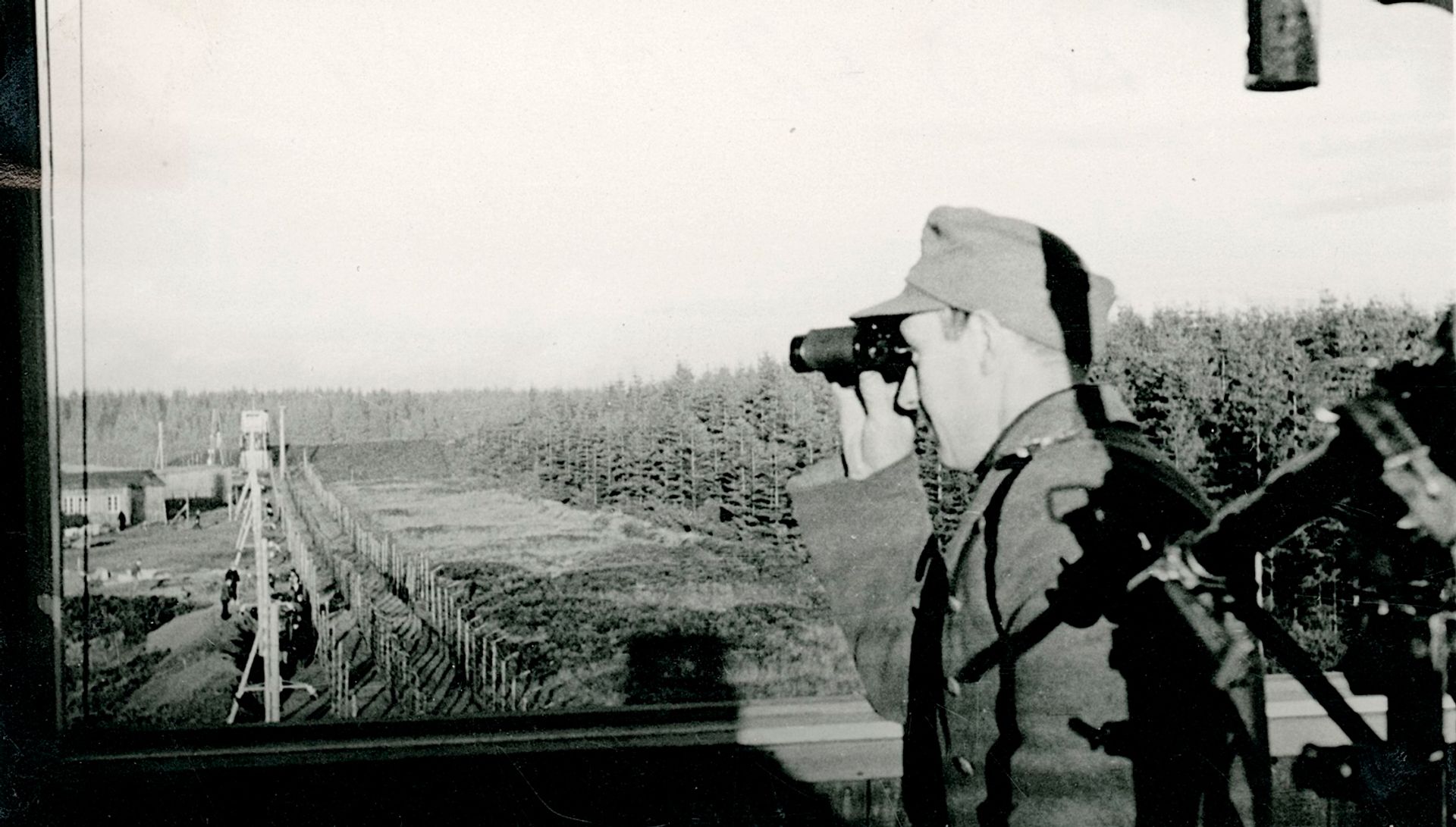
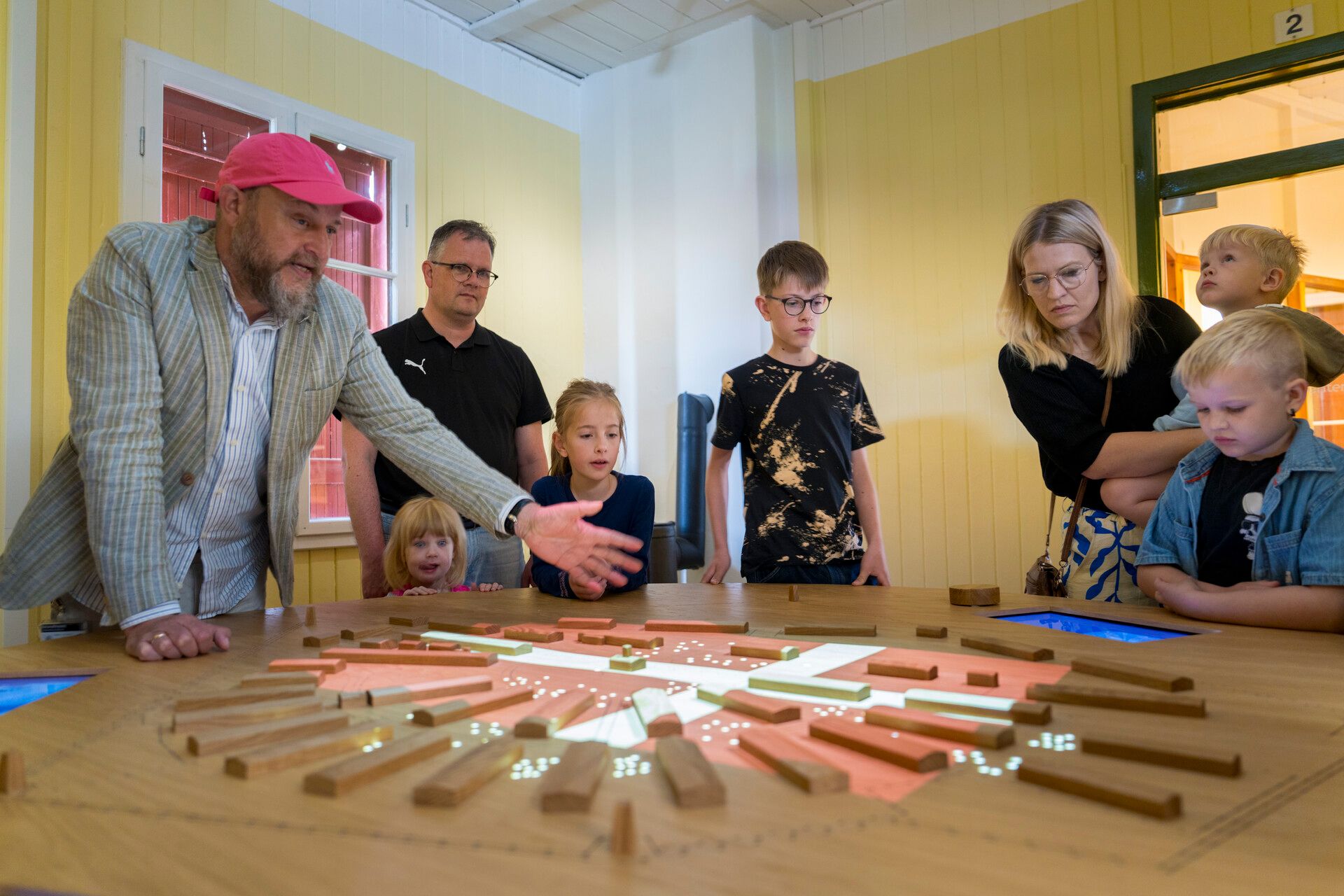
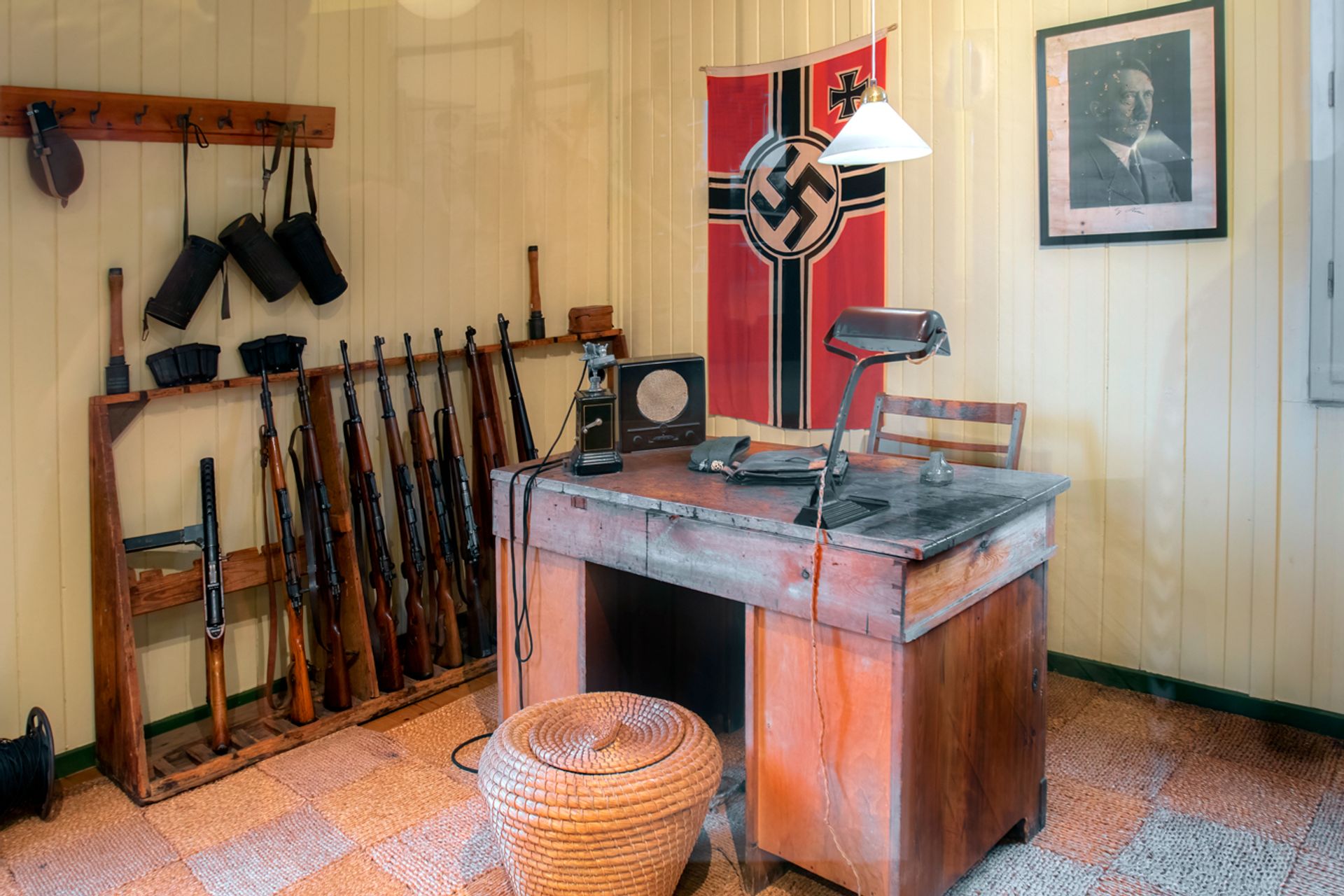
The main guard tower provides an overview, both physically and historically. Meet the camp staff and understand how this unusual system of Danish and German guards worked. At the interactive table, you can explore the camp buildings and their functions for yourself. What actually happened behind these walls, and what small cracks were there in them?
Step into the camp life
3.
Hope and fear behind the barbed wire
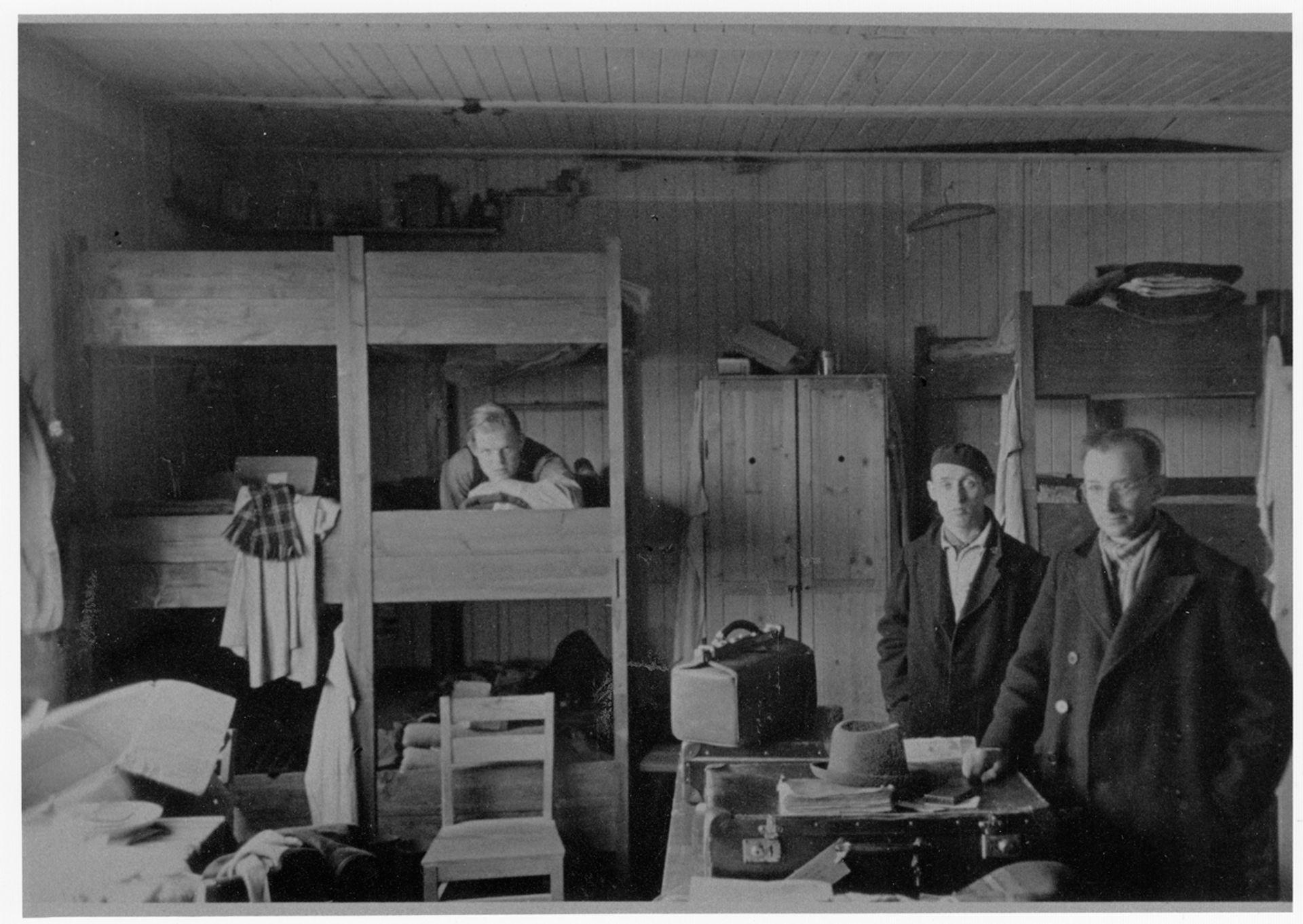
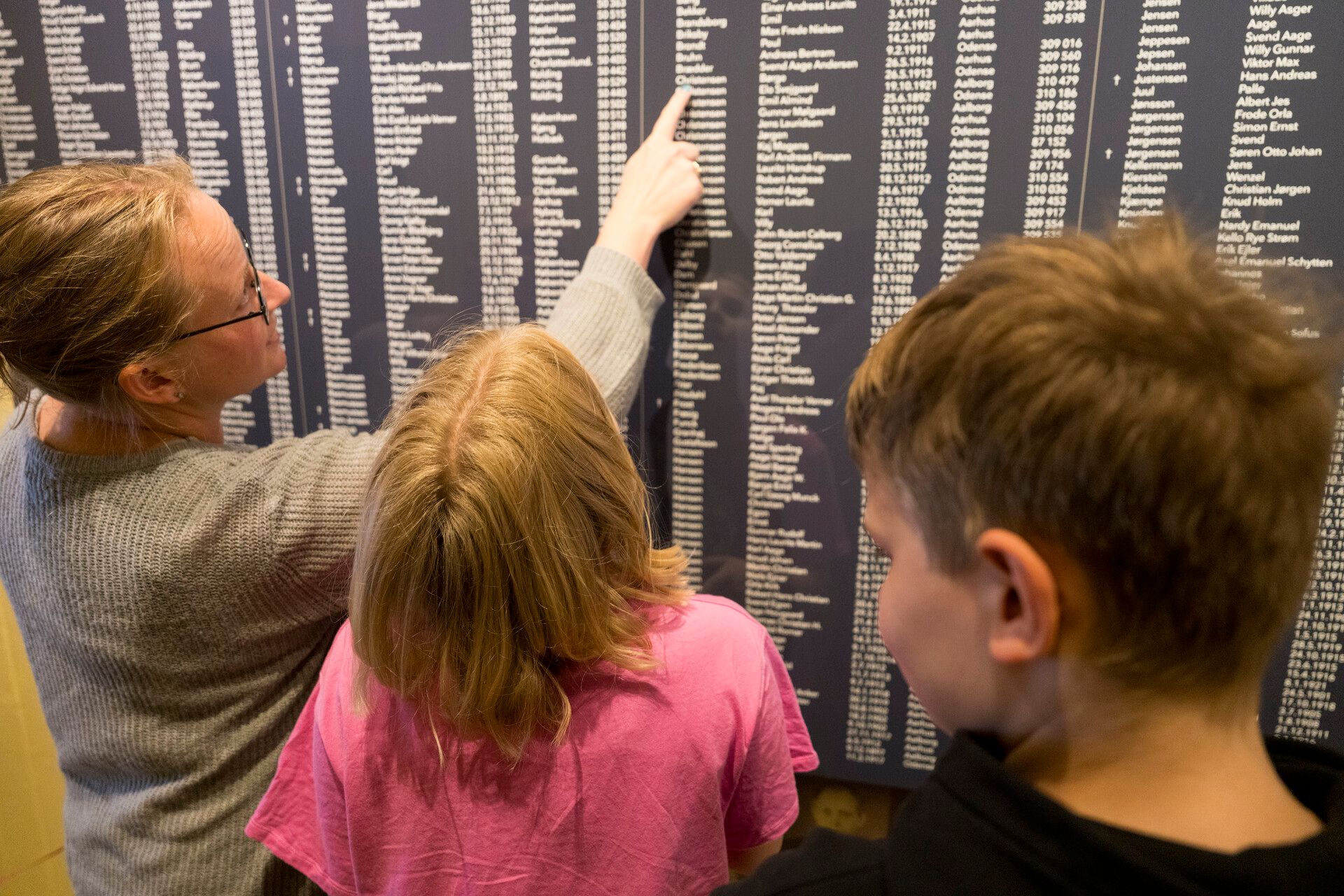
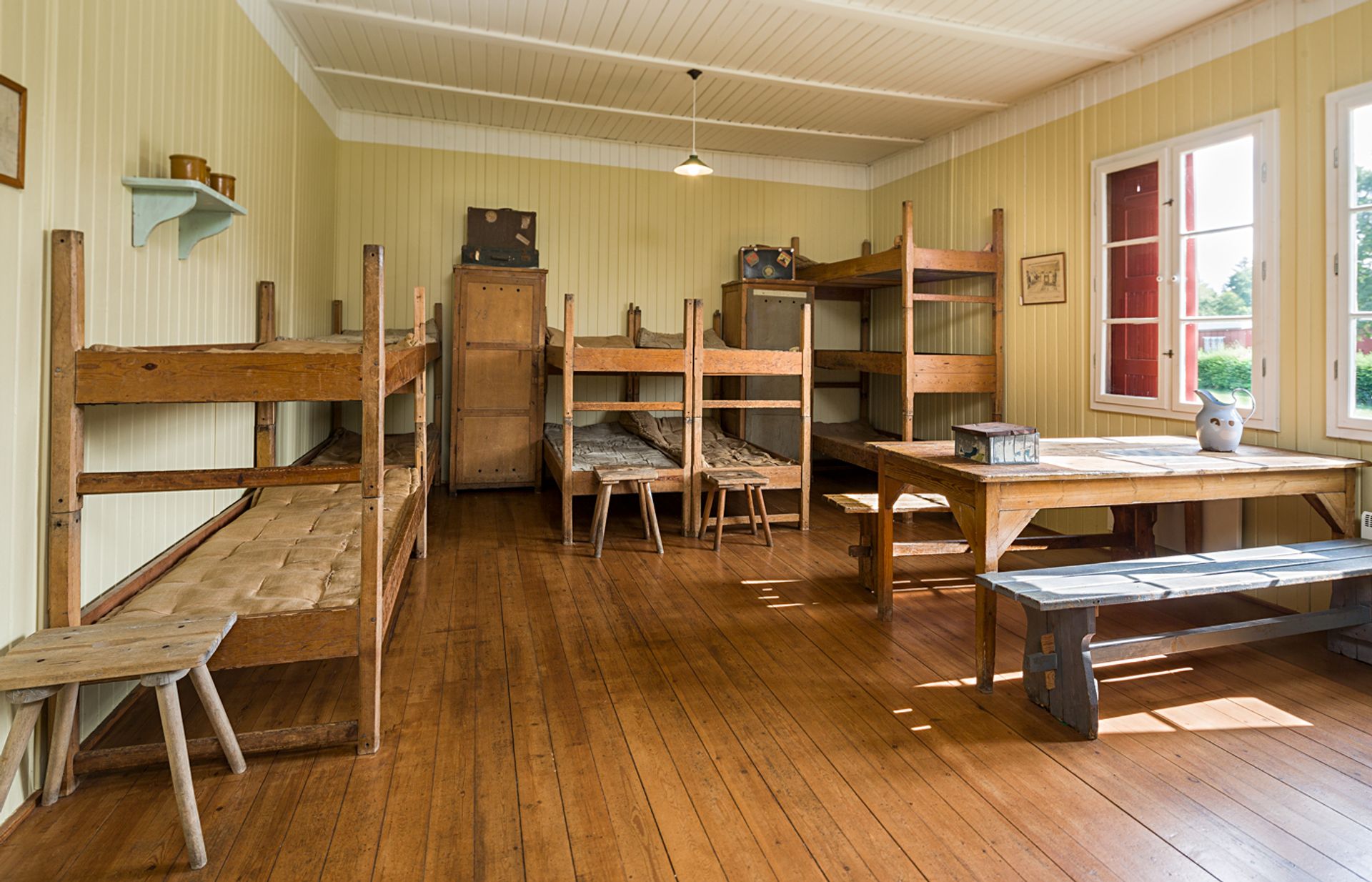
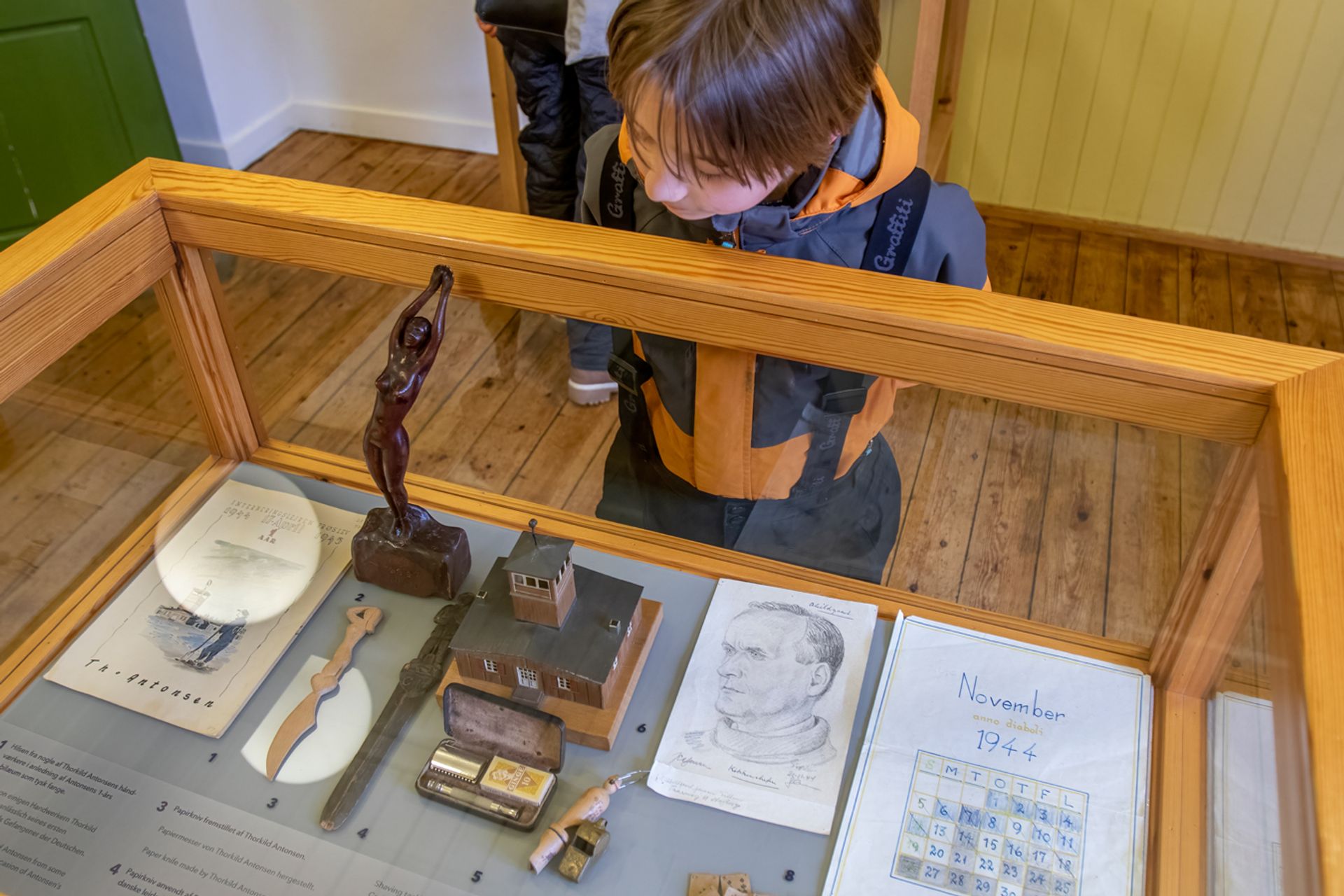
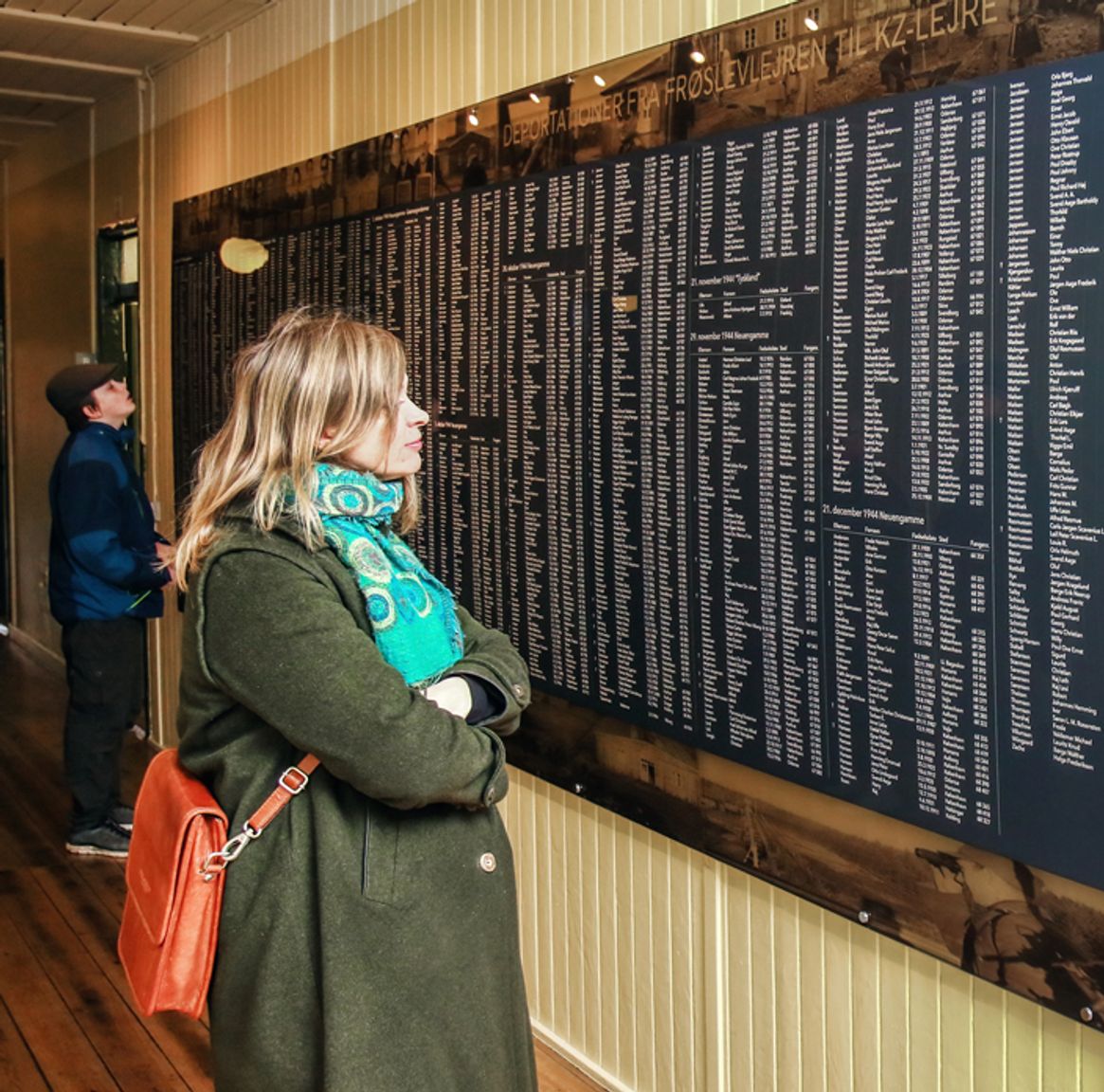
Step into the world of the prisoners when you visit the original prisoner barracks H4. Here, people from all walks of life lived together – resistance fighters, Jews, communists, and others whom the Nazis wanted to get rid of. Men and women who shared fear, hope, and a daily life filled with boredom and anxiety. Some stayed, others were sent on to the concentration camps. You can find all these stories on the large deportation board at the back of the barracks.
4.
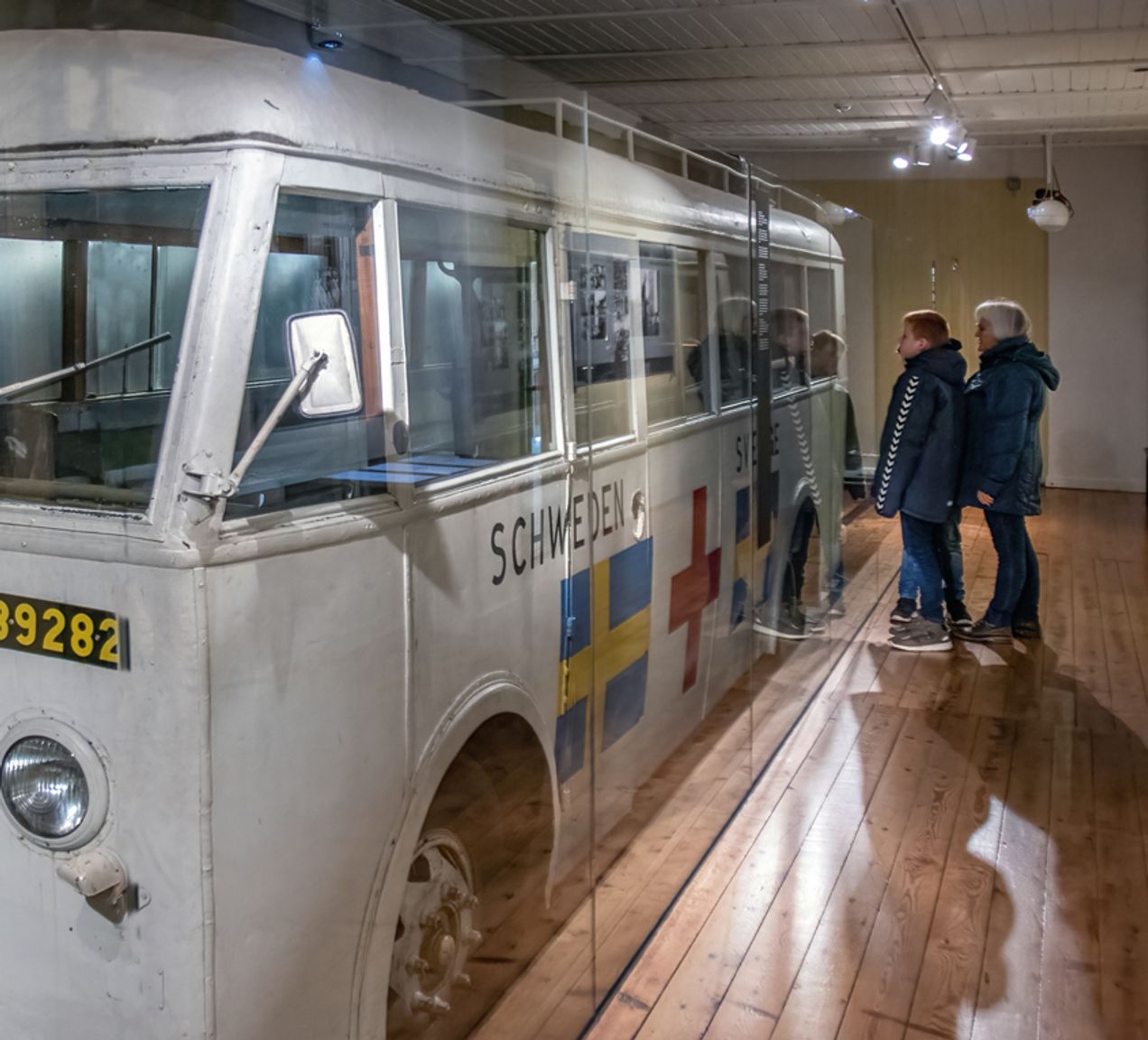
Hope in the final hours of the war
In the spring of 1945, while the war was still raging, white buses rolled through the gates of German concentration camps. Their mission was to save lives. Count Folke Bernadotte of the Swedish Red Cross was behind the operation, which brought thousands of Danish and Norwegian prisoners home from the death camps. Come and see the last original and complete white bus.
Photographs from the Frøslev Camp 1944-1945