From war time to every day
Special exhibition
11 Oct 2025—11 Oct 2026
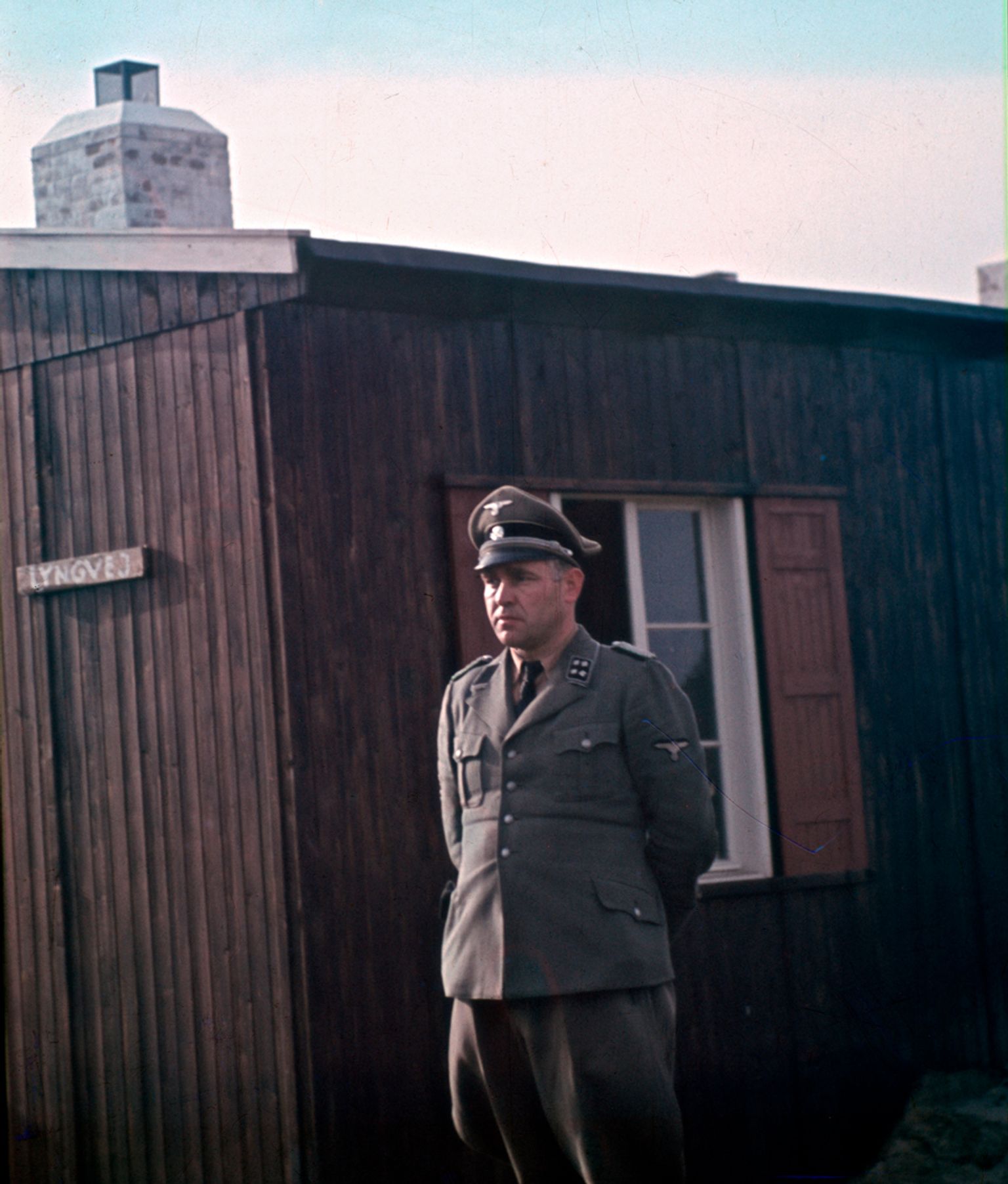
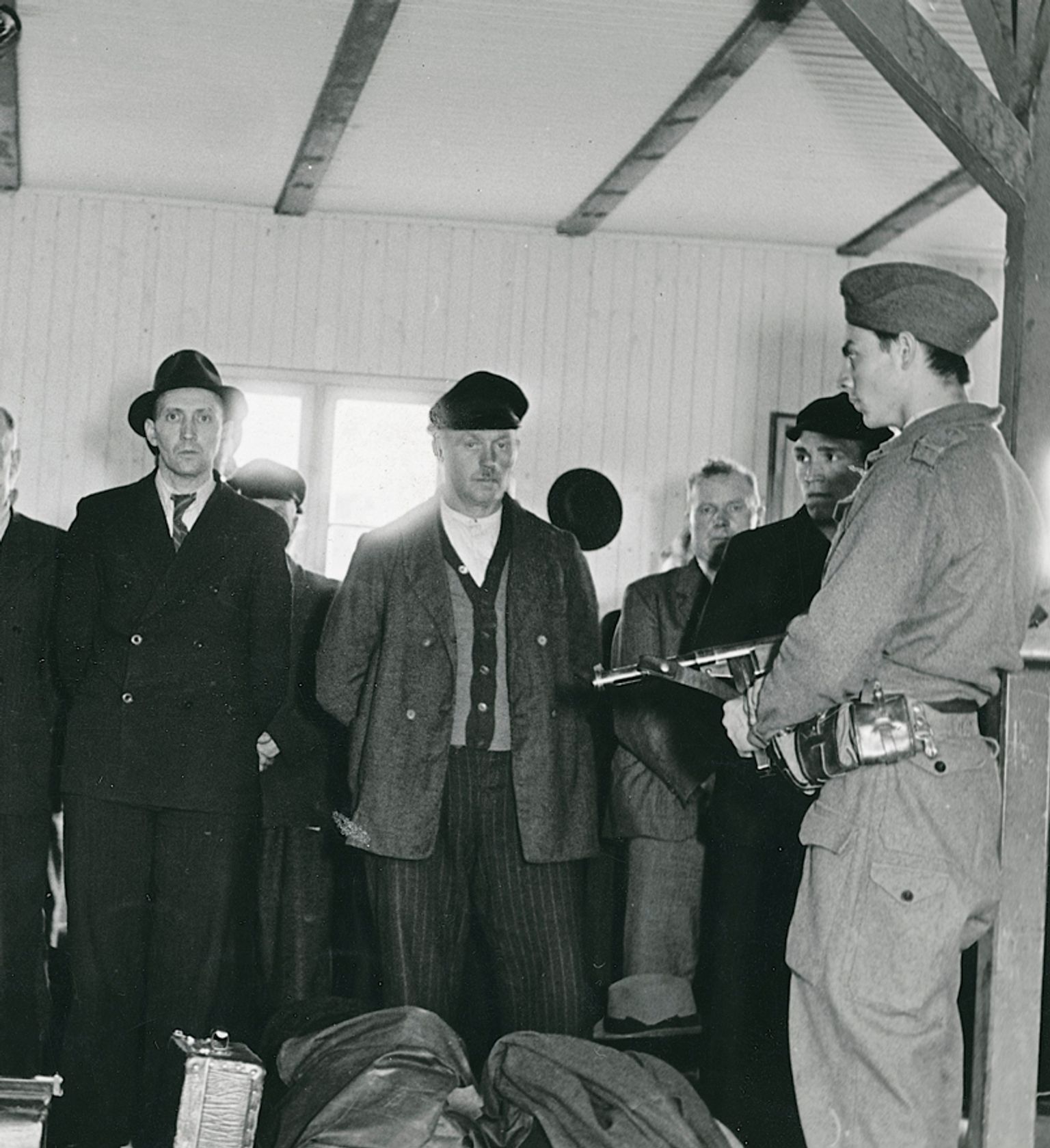
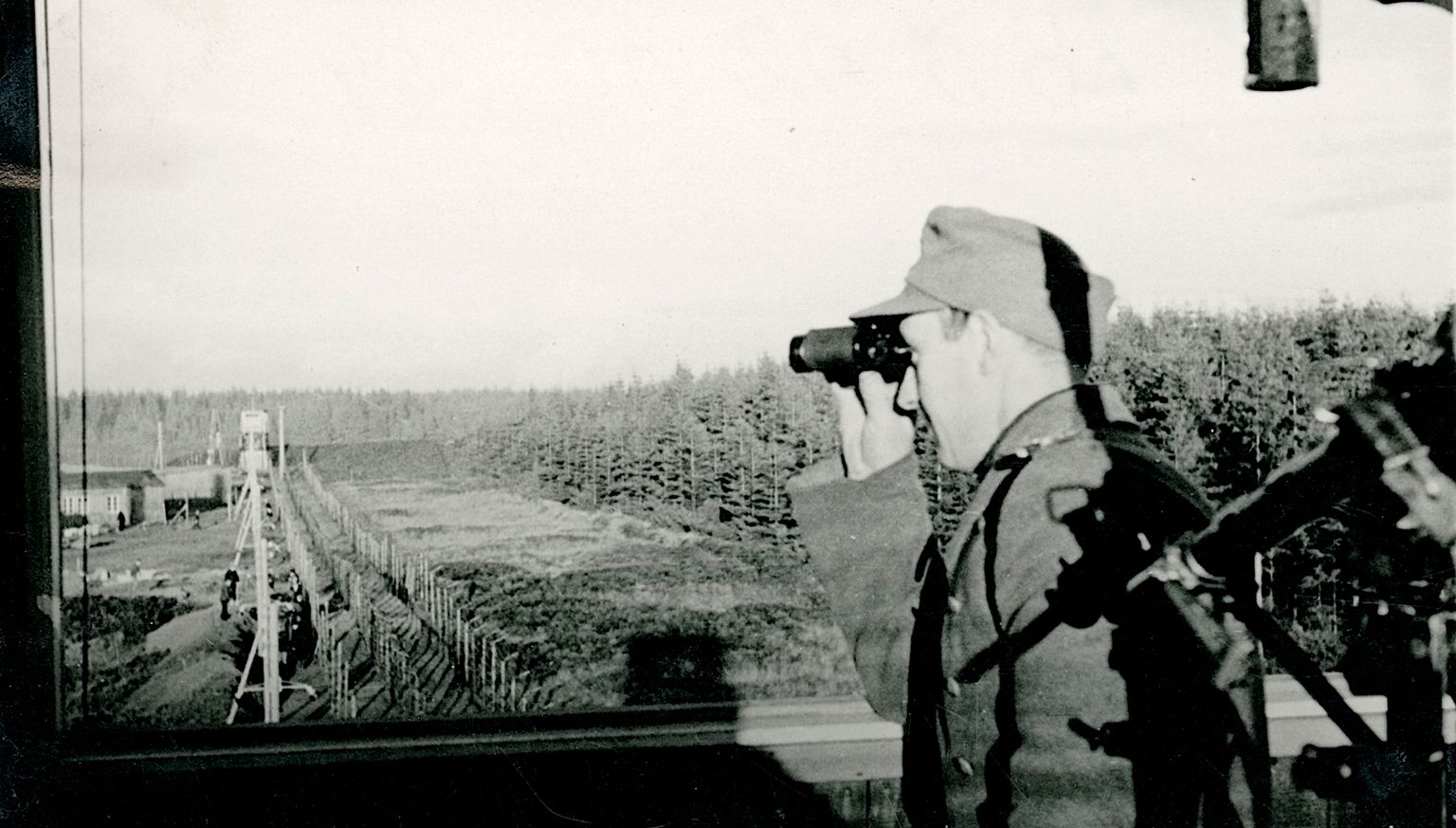
The Frøslev Camp - Barrack H6
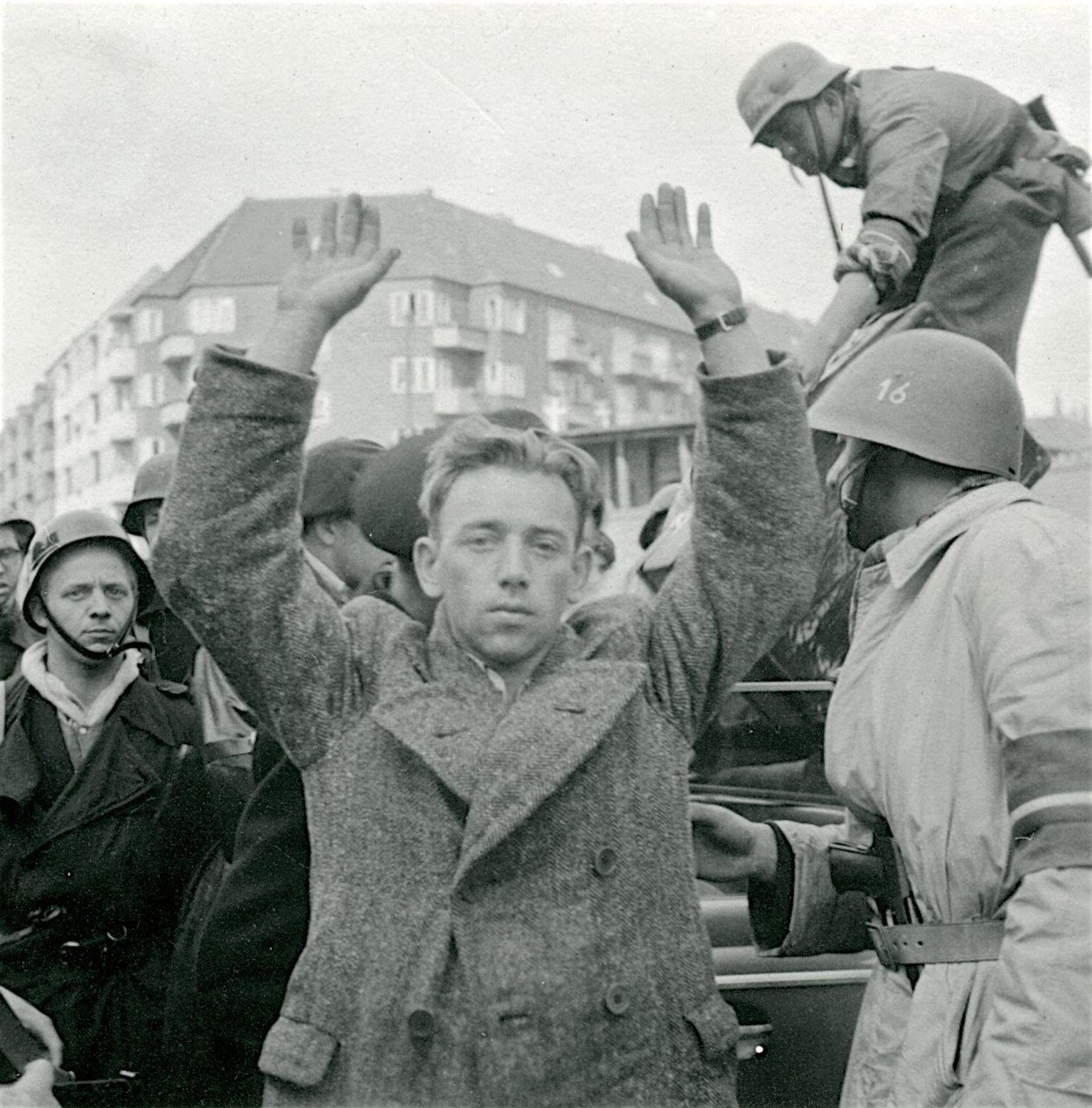
The war had ended. Denmark was liberated. But how does society return to normal? Who is welcome as a citizen in peacetime society, and who gets help to return to everyday life?
What happens when a traumatized resistance fighter returns home? Or when a convicted traitor is released after years in prison? How does one find one's place in a society that celebrates and condemns? This special exhibition focuses on the period after May 1945 and provides insight into how post-war society dealt with former resistance fighters and those convicted of treason after the war.
1.
When society decides your destiny
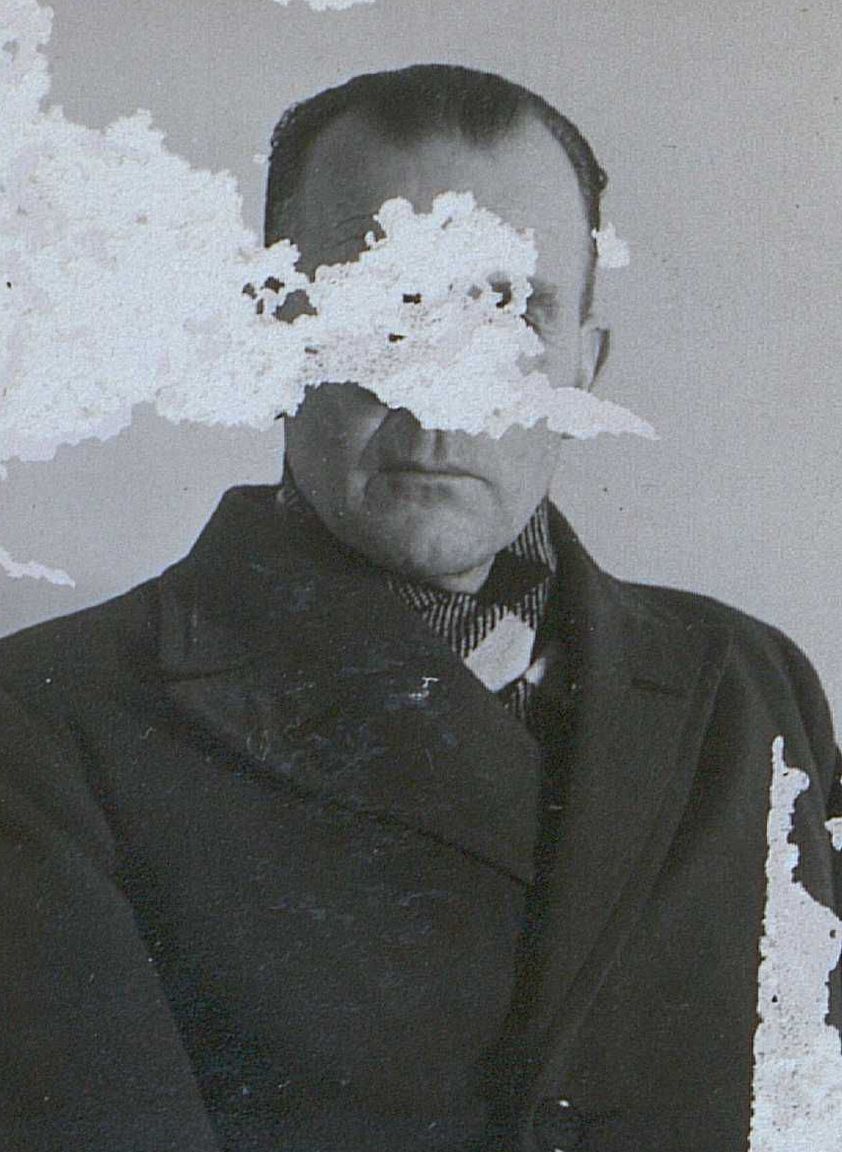
In the post-war period, Denmark faced a dilemma. Members of the resistance had sacrificed everything for freedom, and traitors had served their sentences. Both needed help to find their footing in everyday life and society. Through audio, images, and authentic objects, you will experience how post-war Denmark navigated a minefield of moral issues. Who deserved a second chance? And who should be punished, even after their sentence had been served?
2.
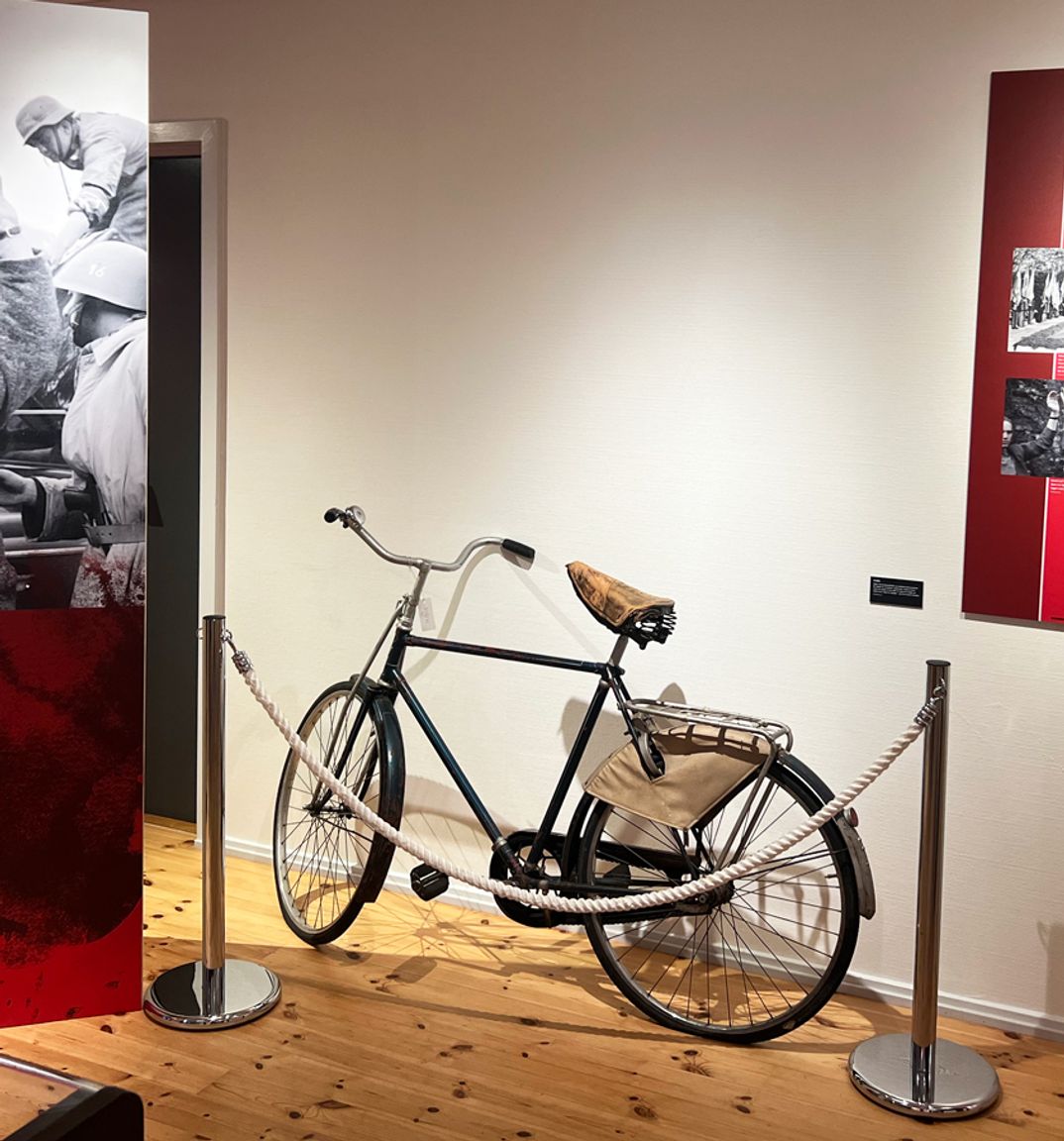
The key to a new life
It doesn’t seem like much, but with a bicycle, you could cycle to work. And with a job, you could perhaps re-enter society. The bicycle became a concrete symbol of giving people a chance to move on. See this and other objects that helped people move on with their lives.
Thanks to all involved
The exhibition has been created in collaboration with the project “The Outcasts, the Unwelcome, and the Admired,” in which Museum Vest/Historical Collection from the Occupation Period, Vardemuseerne, Viborg Museum, and SDU, with support from the VELUX Foundation's museum program, have explored resocialization, welfare, and democratization in post-war Denmark, focusing on those convicted of treason, refugees, and members of the resistance.